Finding the right shared concept
Getting a shared tattoo starts with finding a core memory, inside joke, or specific value that intimately defines your relationship. Instead of simply picking a random flash image off the wall, take the time to discuss the distinct moments that shaped your bond over the years. A truly meaningful piece of art reflects your unique history rather than just following a current aesthetic trend. The most successful shared designs always emerge from genuine experiences.
Many pairs lean toward small, discreet symbols, while others prefer larger illustrations that take up significant space. The size and style will depend largely on your individual pain tolerances and workplace visibility constraints. It often helps to look at artists specializing in single needle work if you both prefer something subtle and delicate. Keep in mind that a highly detailed piece usually requires more canvas space to age gracefully.
You do not need to settle for an exact replica of the same image to show your bond. While having identical ink is a popular choice, many friends opt for designs that simply reference each other. This approach allows each person to maintain their own aesthetic style while still honoring the friendship. It gives you the flexibility to adapt the size, shading, or placement according to your personal body geometry.
Complementary and connecting illustrations
A creative alternative to identical artwork is choosing pieces that connect or interact when you stand next to each other. These designs often feature elements like a string phone, matching halves of a landscape, or animals facing one another. When separated, each piece still looks like a complete, standalone tattoo. When brought together, the larger narrative is revealed, creating a dynamic visual representation of your ongoing connection.
Puzzle pieces have historically been a go-to concept for connecting art, but modern interpretations have evolved significantly. You might consider a lock and key, a sun and moon, or two distinct flowers from the same botanical family. If you plan to get something highly tailored to your story, visiting a studio that focuses on custom drawing is typically the best route. They can take your rough ideas and draft a cohesive dual design.
Connecting tattoos require careful planning regarding orientation and placement. If you want the pieces to align perfectly when you hold hands or stand side by side, the artist must stencil both of you at the same time in those specific poses. Keep in mind that human bodies are asymmetrical and move differently, so the alignment will rarely be mathematically perfect, but the symbolic connection remains strong.
Deciding where the ink should live
Placement is just as crucial as the design itself, especially if you want the artwork to be visible to each other. The inner forearm, wrist, and outer bicep are frequently chosen because they are easy to display and align during photos. However, you do not have to put the tattoo in the exact same spot as your friend. One person might prefer their ankle, while the other chooses their shoulder blade.
It is important to consider how a specific location interacts with your daily life and career. If one of you works in a strict corporate environment, a highly visible hand or neck piece might not be practical. In these situations, hidden spots like the ribs, collarbone, or upper thigh offer a great compromise. The sentiment behind the art does not diminish just because it sits under clothing most of the time.
If you decide to go with a spontaneous session to commemorate a trip or a special weekend, you might want to consider locations that are relatively quick to tattoo. Many groups of friends look for shops that accommodate walk-in clients for smaller, simpler designs. Just remember that placement affects pain levels, so if one of you is nervous, steering clear of the ribs or feet might make the experience more enjoyable.
Symbolism and aesthetic styles
The visual style you choose should ideally resonate with both of your personal tastes. If one person loves bold colors and heavy outlines, while the other prefers muted shading, finding a middle ground is necessary. Many pairs find that traditional or neo-traditional styles offer a timeless quality. Booking with artists who excel in neo-traditional aesthetics ensures the piece will feature strong linework and rich color palettes that hold up well over the years.
Beyond the visual style, the subject matter can be drawn from shared hobbies, favorite movies, or even a geographic location that holds sentimental value. Coordinates of the city where you met, a specific type of tree from your hometown, or an outline of a state can serve as subtle nods to your history. If you met on the West Coast, you might explore the culture found at shops in California for inspiration.
Lettering and quotes are another common avenue for shared ink. You might split a meaningful sentence in half, with each person wearing one part of the phrase. If you choose text, selecting a highly legible font is vital so the words remain readable as the skin ages. Discussing these stylistic nuances with your chosen artist beforehand guarantees that both individuals walk away with a piece they genuinely love.
Planning the appointment together
Scheduling a joint session requires a bit of logistical coordination, especially if you want to be tattooed back-to-back or simultaneously. Larger shops often have multiple stations and can accommodate two artists working on you both at the same time. This creates a fun, shared experience where you can talk and support each other through the process. Be sure to communicate your desire for a simultaneous session when reaching out to the shop.
Budgeting is another practical conversation to have before booking a joint appointment. Artists typically charge either by the hour or by the individual piece, and a connecting design might take longer to stencil and map out. It is wise to discuss your budget constraints with each other and the studio early on. From small parlors to major hubs like the shops across Texas, pricing structures vary based on experience.
Finally, treat the aftercare phase as an extension of your shared journey. You will both be healing at the same time, which means you can remind each other to wash the area and apply the appropriate unscented lotion. Even if one of you ends up needing a touch-up later down the line, going through the healing process together solidifies the memory of getting the tattoo in the first place.
Published 2026-09-20 · reviewed with each rebuild, last September 2026.
Find tattoo shops near you
The directory lists 32,774 tattoo shops by state and city — pick your state or use the “Near me” button in the header.
More guides
-
 Money
MoneyBody Piercing Costs Guide: From Ears to Dermals
-
 Service
Tattoo Removal Cost and Safety: What to Expect
-
 Money
MoneyTattoo Pricing Guide: How Much Do Tattoos Really Cost?
-
 Service
Body Piercing Types, Pain Levels, and Healing Times Explained
-
 Service
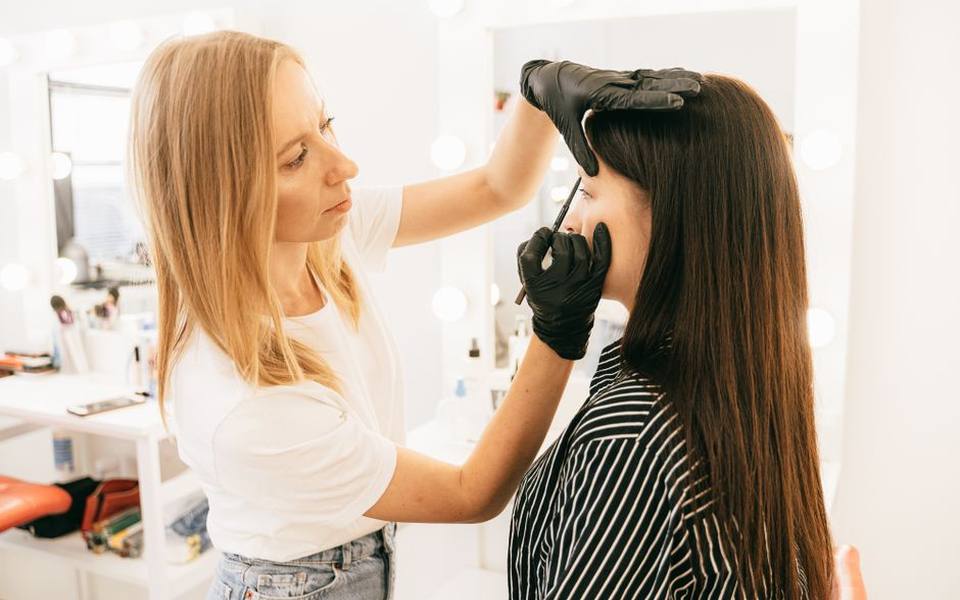
Specialty Tattoos: Exploring Cosmetic, Camouflage, and Non-Traditional Ink
-
 Service
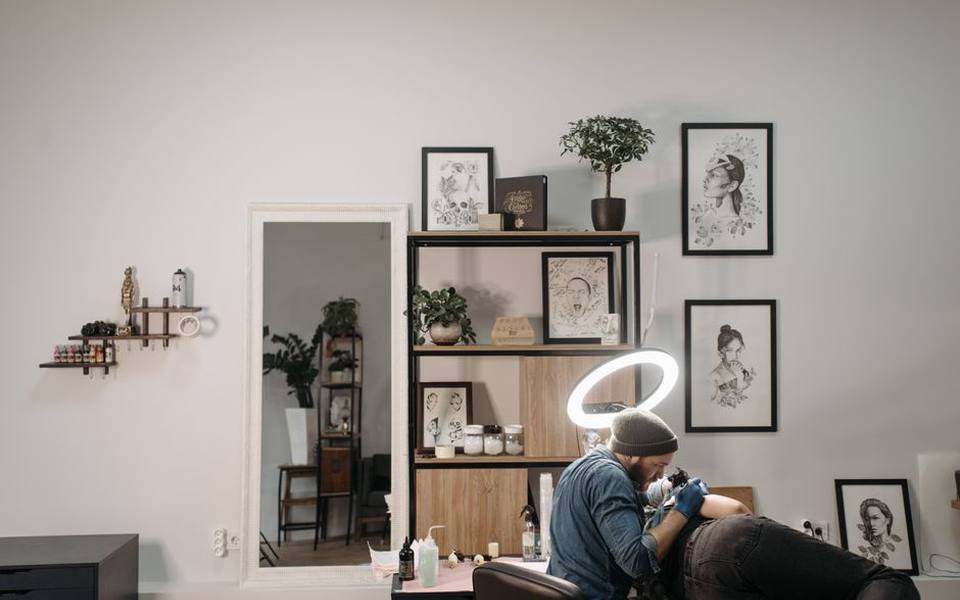
Understanding Tattoo Styles and Design Meanings
-
 Buying
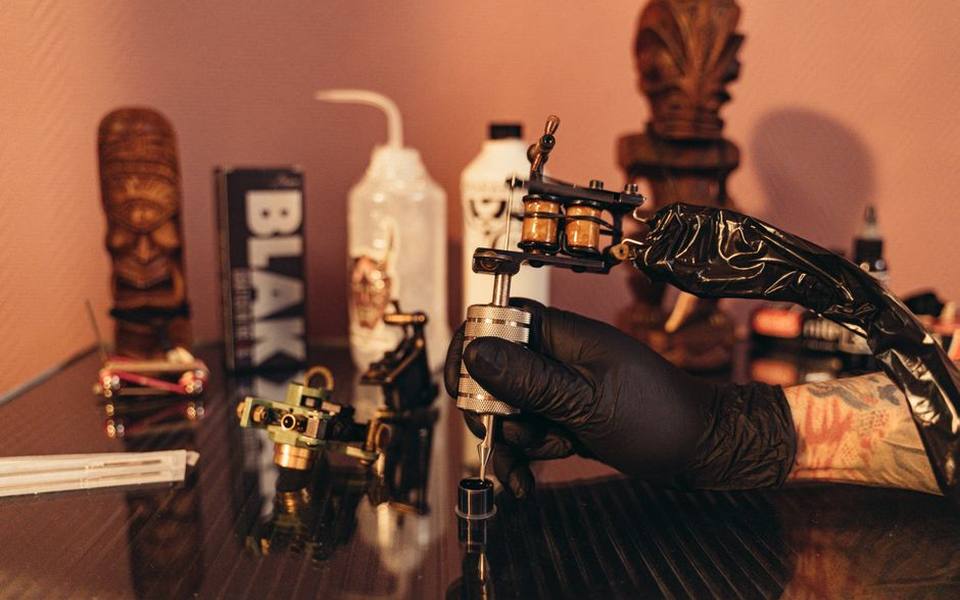
Tattoo Equipment Essentials: Understanding Machine Types and Starter Gear