The reality of laser removal and typical expenses
Getting rid of an unwanted tattoo requires multiple laser sessions, and the total expense depends heavily on the design's size and complexity. While single visits might seem affordable, the overall cost often exceeds the original piece. Laser removal is generally considered safe when performed by certified professionals. It relies on focused light rather than harmful radiation to break down pigment over a period of months.
The technology works by sending high-intensity light pulses into the dermal layer. The pigment absorbs this energy, shattering into microscopic particles that your body flushes out through the lymphatic system. This natural elimination takes time, meaning appointments are usually spaced several weeks apart. The gradual fading process requires patience, as noticeable results often only become apparent after you complete three or four treatments.
Because everyone's immune system processes these shattered particles differently, no technician can promise an exact number of visits. Most people expect anywhere from a handful of sessions to over a dozen for complete clearance. Some individuals might find that stubborn colors leave a faint shadow behind, regardless of treatment frequency. The commitment involves both financial readiness and a willingness to follow a long-term plan.
Factors that determine your session pricing
The physical dimensions of your tattoo are usually the primary factor in determining the price per visit. Clinics typically categorize designs into small, medium, and large tiers, scaling pricing up accordingly. A tiny piece naturally costs much less per session than a dense sleeve. Many facilities measure the exact square inch area during an initial consultation to provide a customized estimate for your situation.
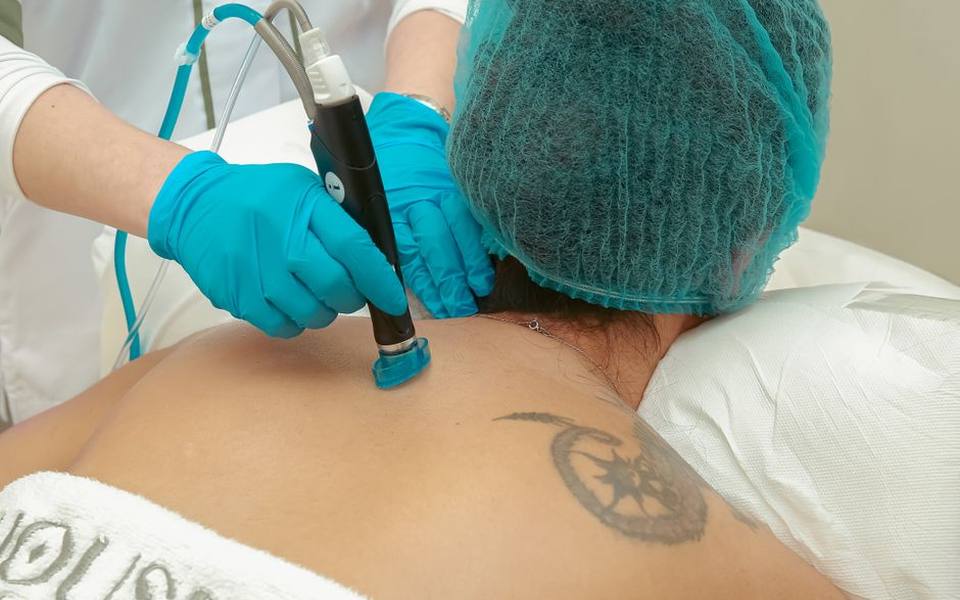
The type of ink and how it was applied also play a significant role in the overall expense. Light designs created by fine line tattoo specialists often require fewer sessions to clear than heavy tribal blackwork. Additionally, colors like bright blues demand specialized laser wavelengths. If a facility needs advanced equipment to target stubborn pigments, they may charge a premium for that capability.
Location and facility type will influence the rates you encounter. A specialized medical spa in a major city will typically charge more than a smaller suburban clinic. Exploring facilities among the thousands of tattoo shops in California or checking listings for tattoo shops in New York reveals regional pricing differences. Many places offer packaged deals for multiple upfront sessions at a reduced rate.
Understanding the medical safety and risks
A common concern regarding treatments is the fear of long-term health consequences, particularly cancer. Lasers used for this procedure rely on non-ionizing radiation, which simply produces heat to target pigment. This energy does not damage cellular DNA in the way that ultraviolet light does. Medical consensus supports that standard laser removal procedures do not carry a risk of causing skin cancer or systemic illnesses.
While the procedure avoids serious health risks, expected side effects occur during the normal healing process. After a session, it is incredibly common to experience localized redness, swelling, and a sensation similar to sunburn. Blistering and scabbing are also typical reactions as the skin repairs itself. These physical responses indicate that the immune system is actively working to heal the treated area.
The most significant risks usually stem from poor aftercare rather than the laser itself. Failing to keep the area clean can easily lead to bacterial infections or permanent scarring. Clients must strictly adhere to instructions provided by their technician, which typically include applying specific ointments and shielding the skin from direct sunlight. Proper care is essential for maintaining structural skin integrity.
Fading for cover-ups as an alternative
Complete removal is not the only path forward if you are unhappy with an existing piece. Many people choose to undergo just enough sessions to lighten the old ink, creating a workable canvas for a new design. This approach requires significantly fewer visits, keeping the total cost down. Once the artwork is faded to a faint gray, you have much more freedom in choosing a replacement.
If you decide to go this route, communication between your laser technician and your future artist is vital. Consulting with cover-up tattoo artists early in the process ensures you only pay for necessary sessions. The artist can evaluate the fading progress after each appointment and tell you precisely when the skin is ready, preventing unnecessary treatments and saving you money.
The required downtime before getting a new piece over lasered skin is another factor. Your skin needs ample time to fully regenerate after the final laser pulse. Attempting to tattoo over freshly lasered tissue can result in excessive bleeding, poor ink retention, and severe scarring. Most professionals recommend waiting several months after your last lightening session before sitting down for the new artwork.
Preparing for the physical experience
The sensation of having ink removed is frequently compared to the snap of a hot rubber band. Because this can be quite uncomfortable, clinics typically utilize various pain management strategies. Cold air machines that blow freezing air onto the skin are standard practice and highly effective. Many facilities also offer topical numbing creams, though these usually need to be applied an hour before the appointment.
Your physical state on the day of the appointment influences how well you tolerate the procedure. Arriving well-hydrated and having eaten a solid meal helps prevent lightheadedness. It is also advised to avoid excessive sun exposure on the targeted area for several weeks prior, as lasers cannot safely be used on sunburned skin. Proper preparation minimizes the chances of rescheduling the visit.
After the session is complete, patience becomes the most important part of the process. The standard waiting period between appointments is generally long to allow the lymphatic system time to carry away pigment. Rushing back into the clinic too soon increases the risk of damaging the skin and causing texture changes. Trusting the timeline set by your technician ensures the safest outcome.
Published 2026-09-20 · reviewed with each rebuild, last September 2026.
Find tattoo shops near you
The directory lists 32,774 tattoo shops by state and city — pick your state or use the “Near me” button in the header.
More guides
-
 Money
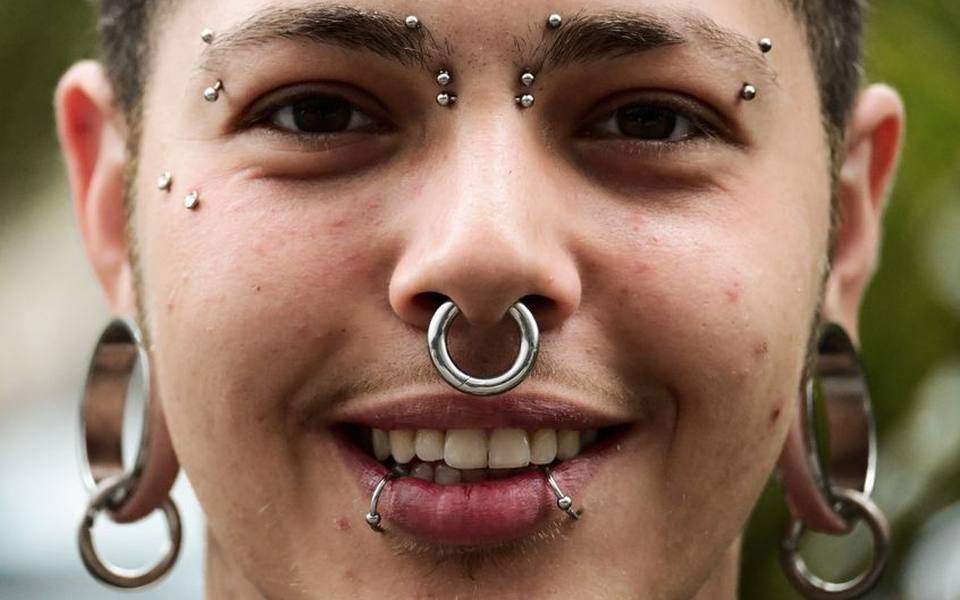
MoneyBody Piercing Costs Guide: From Ears to Dermals
-
 Money
MoneyTattoo Pricing Guide: How Much Do Tattoos Really Cost?
-
 Service
Best Friend Tattoos: Meaningful Ideas and Placement Guide
-
 Service
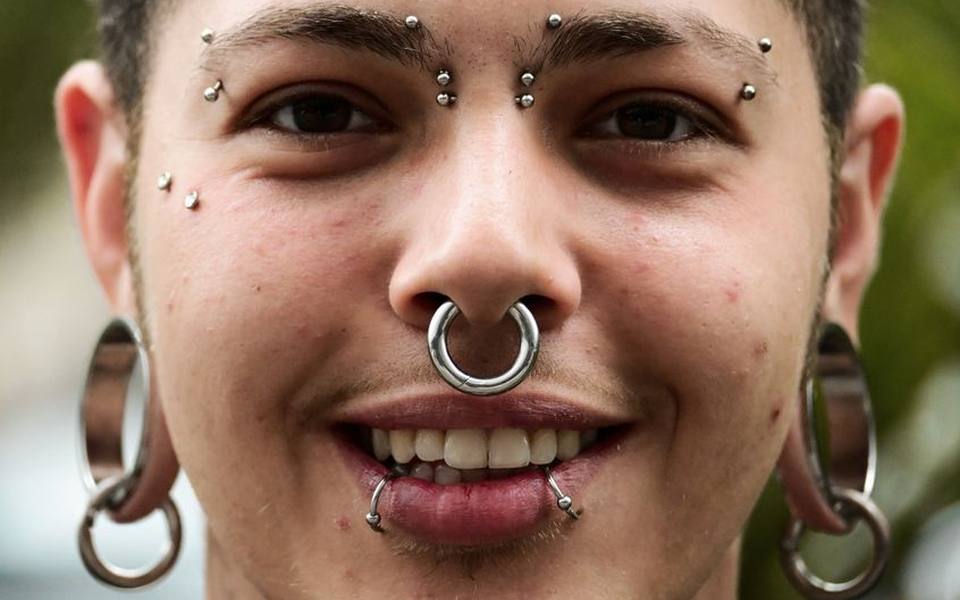
Body Piercing Types, Pain Levels, and Healing Times Explained
-
 Service
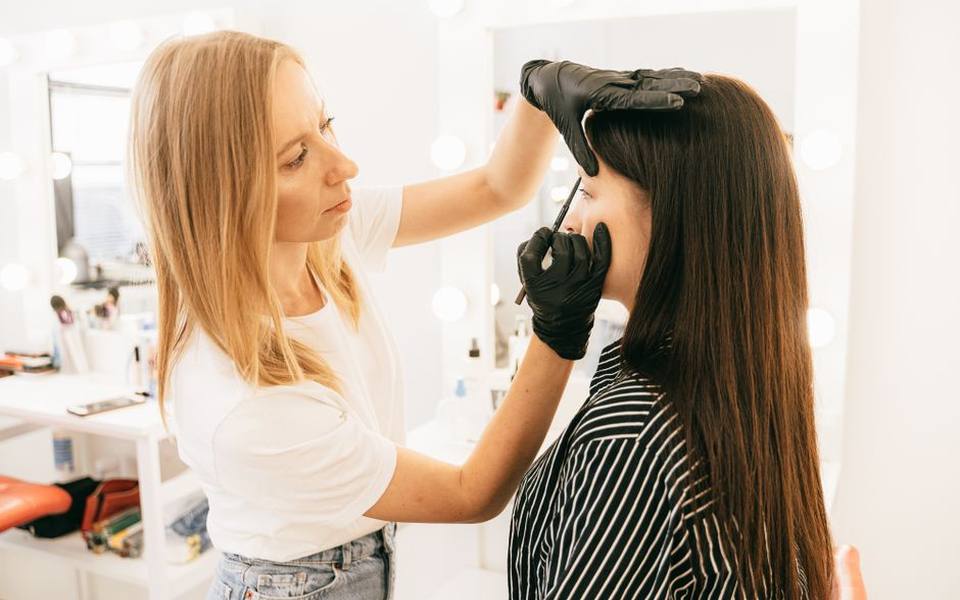
Specialty Tattoos: Exploring Cosmetic, Camouflage, and Non-Traditional Ink
-
 Service
Understanding Tattoo Styles and Design Meanings
-
 Buying
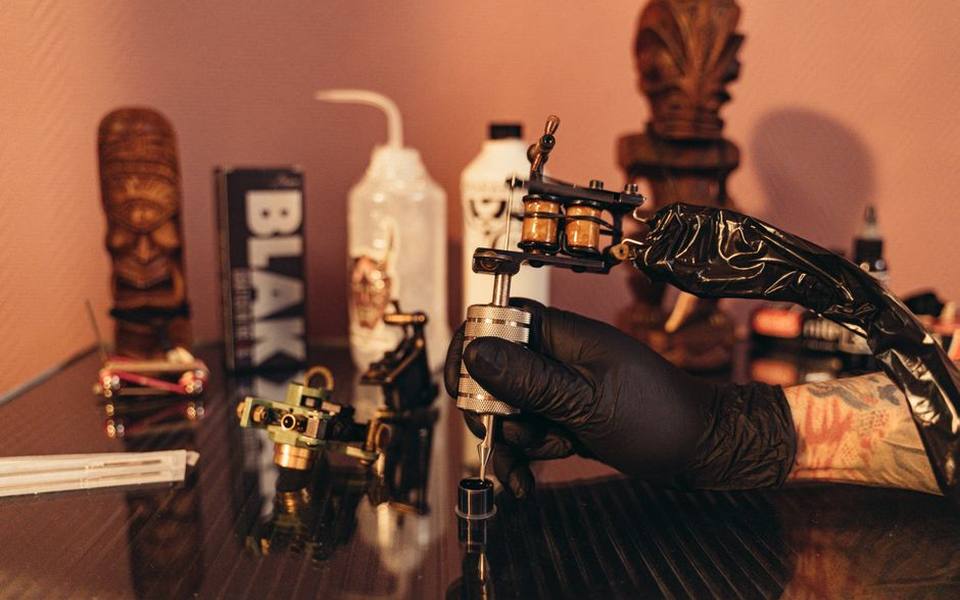
Tattoo Equipment Essentials: Understanding Machine Types and Starter Gear