Understanding Shop Minimums and Artist Rates
When you walk into a studio, the cost of a tattoo usually ranges from a basic shop minimum for a tiny symbol to a significant investment for a complex back piece. Most artists charge either an hourly rate for ongoing work or a flat rate for a single session. The final number depends heavily on the artist's experience, the complexity of the design, and the physical size.
Every reputable studio enforces a shop minimum. This base fee covers the cost of sterile equipment, single-use needles, ink, and the artist's setup time, regardless of how small the design is. If you want a tiny heart on your wrist that takes ten minutes, you still pay this minimum price. This ensures the business covers overhead and maintains strict health standards.
Beyond the minimum, artists typically switch to an hourly rate for larger pieces. Hourly pricing makes sense because skin is unpredictable, and certain styles take longer to saturate. When you consult with an artist, they can give you a rough time estimate, but the final cost reflects the actual hours spent in the chair. Some artists prefer flat rates for flash pieces where execution time is known.
How Size and Complexity Shape the Final Number
The size of your tattoo is usually the most obvious factor in determining the price. A tiny outline or a brief word will often fall right into the shop minimum territory. Conversely, if you are planning a full sleeve that covers your entire arm, you are looking at multiple full-day sessions. A project of that magnitude requires a significant financial commitment spread over several months.
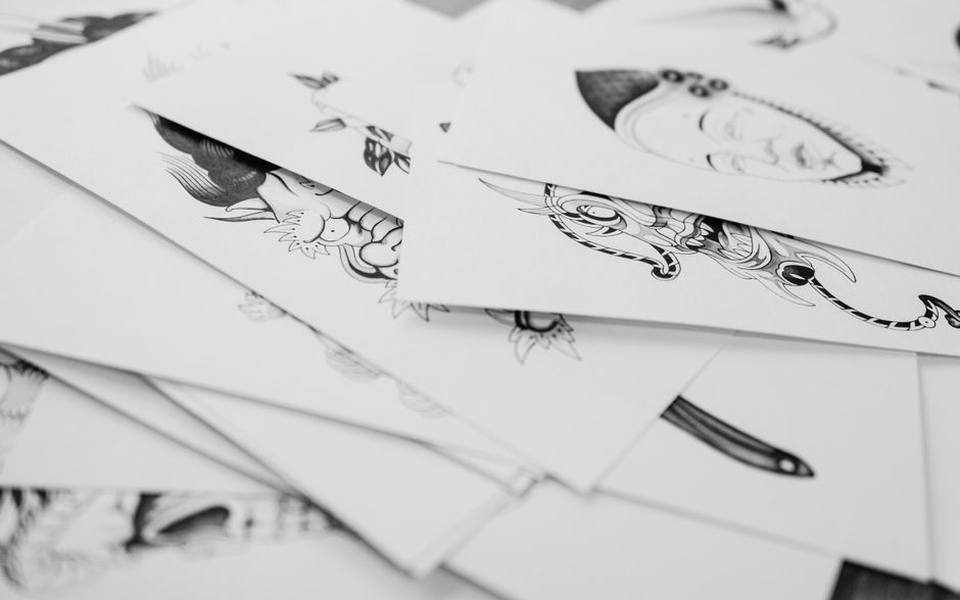
Size alone does not dictate the total cost, as detail and style are equally important. For example, if you seek out artists who specialize in fine line work, a delicate piece might take longer than a traditional bold design. Intricate shading, photorealism, and delicate dot work require intense concentration and multiple passes, which naturally drives up the time and the price.
Color plays a distinct role in how a piece is priced. Full-color tattoos generally require more time to pack the ink into the skin compared to black and grey shading. The artist must blend multiple pigments and clean needles frequently between transitions. If you want a vibrant design, anticipate a higher cost due to the extra labor involved in bringing that vivid concept to life.
Why Body Placement Impacts the Overall Cost
Where you choose to put the tattoo on your body can also influence the quote. Certain areas are notoriously difficult to tattoo due to skin texture, underlying bone, or how much the client might naturally flinch. Artists often adjust their rates to account for challenging placements. Skin that stretches easily or bends constantly simply takes more technical skill and patience to tattoo cleanly.
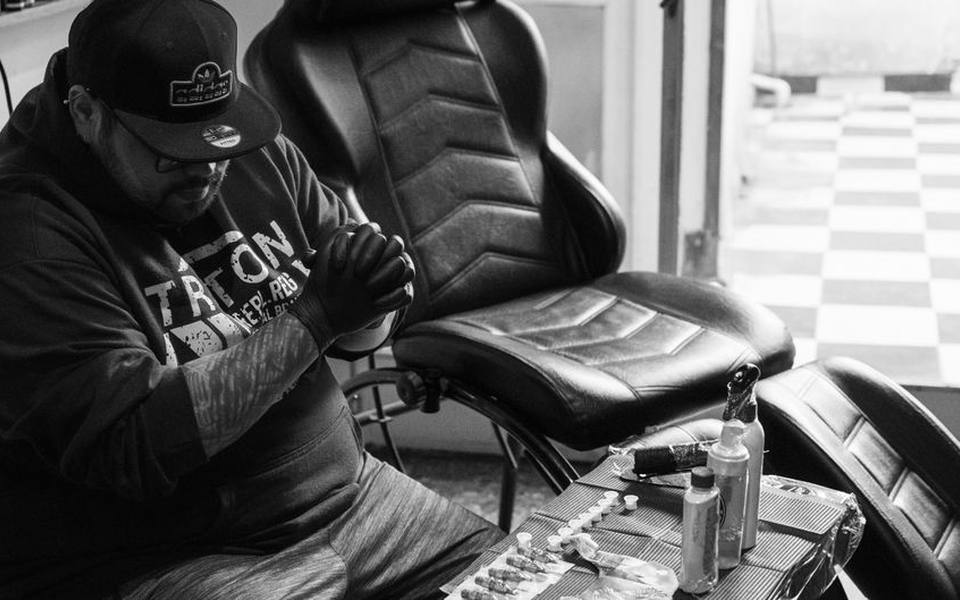
For instance, a hand tattoo or a neck tattoo requires a highly skilled approach. The skin on the hands regenerates quickly, meaning the artist must work meticulously so the ink holds well. Similarly, the neck is a contoured area requiring the client to sit perfectly still in an uncomfortable position. Because these spots demand extra precision, artists typically charge a premium for the difficult placement.
Large, flat areas like the back are generally easier to work on, acting like a traditional canvas. However, a full back piece is a massive undertaking involving different skin textures across the spine and shoulder blades. While the surface might be accessible, the sheer endurance required by both the artist and the client means these placements always represent a major investment of time and money.
Budgeting for Revisions and Covering Old Work
If you are not starting with blank skin, pricing structures often change. When hiding an old piece, you will want to look for skilled cover-up professionals. Cover-ups generally cost more than a fresh tattoo of the same size because the artist has to design something highly specific to mask existing lines. This requires denser ink saturation and creative problem-solving, adding hours to the session.
Touch-ups are another aspect of maintenance that comes with financial rules. Many artists offer a complimentary touch-up within the first few months, provided you followed aftercare instructions. However, if you return years later because your piece faded from sun exposure, you will typically need to pay for their time. The touch-up cost usually defaults to the artist's standard hourly rate or the shop minimum.
It is worth noting that some placements inherently require more frequent touch-ups. Tattoos on fingers, palms, or the inner lip are notorious for falling out rapidly due to constant friction and skin shedding. When you request a piece in a high-turnover area, a good artist will warn you about future touch-up sessions. Budgeting for inevitable maintenance is part of owning tattoos in tricky spots.
Location, Studio Type, and Artist Expertise
The geographic location of the studio heavily influences the baseline prices you encounter. A shop situated in a major metropolitan downtown will naturally have higher overhead costs than a small-town parlor. If you are browsing options located in California or similar high-cost areas, expect standard rates to reflect the local economy. Traveling a bit further to a suburban studio can sometimes yield a lower rate.
The type of studio you visit also dictates the pricing model. If you want spontaneous artwork, visiting places that welcome walk-ins usually involves picking from pre-priced flash designs on the wall. These pieces have fixed prices based on their size and complexity, making it easy to know what you will spend upfront. This straightforward pricing is great for collectors wanting a classic piece quickly.
Conversely, commissioning unique artwork from studios focused on custom designs involves paying for drawing time and tattooing time. Highly sought-after artists charge a premium for their specific expertise and waitlist. When you book a custom piece, you are investing in a one-of-a-kind work of art tailored to your body, and the final price tag will always reflect that elevated level of personalized service.
Published 2026-09-20 · reviewed with each rebuild, last September 2026.
Find tattoo shops near you
The directory lists 32,774 tattoo shops by state and city — pick your state or use the “Near me” button in the header.
More guides
-
 Money
MoneyBody Piercing Costs Guide: From Ears to Dermals
-
 Service
Tattoo Removal Cost and Safety: What to Expect
-
 Service
Best Friend Tattoos: Meaningful Ideas and Placement Guide
-
 Service
Body Piercing Types, Pain Levels, and Healing Times Explained
-
 Service
Specialty Tattoos: Exploring Cosmetic, Camouflage, and Non-Traditional Ink
-
 Service
Understanding Tattoo Styles and Design Meanings
-
 Buying
Tattoo Equipment Essentials: Understanding Machine Types and Starter Gear