What to Expect When Pricing a New Procedure
The total amount you pay for a new modification breaks down into two charges: the procedure fee and the jewelry cost. Studios typically charge a base rate for the service, varying by the complexity of the placement. The jewelry price depends entirely on the material and brand you select. When budgeting, expect to pay a combined total that starts at a modest baseline and increases based on your aesthetic preferences.
Retail mall kiosks often advertise free services with the purchase of starter studs, making them look appealing to budget-conscious shoppers. However, these environments generally use spring-loaded guns. Studios offering professional ear piercings use single-use sterile needles, which typically causes less tissue trauma. The higher initial investment at a proper studio is generally considered worthwhile for the long-term viability of your new modification.
Location also plays a major role in what a studio might charge. A sought-after artist in a major metropolitan area will generally have higher rates than a neighborhood shop. States with dense populations have plenty of options to compare; for example, exploring tattoo shops in California reveals 3,193 listings in our directory. Local competition in these bustling markets can sometimes help keep basic service fees relatively stable.
Evaluating Lobe and Cartilage Rates
Standard earlobe placements are generally the most affordable option at any professional studio. Because the tissue is soft and easy to work with, the procedure fee is usually lower than other body parts. When evaluating earlobe modification expenses, many studios offer a slight discount if you get both sides done during the same appointment. The starter jewelry is often simple, keeping the overall checkout total on the lower end.
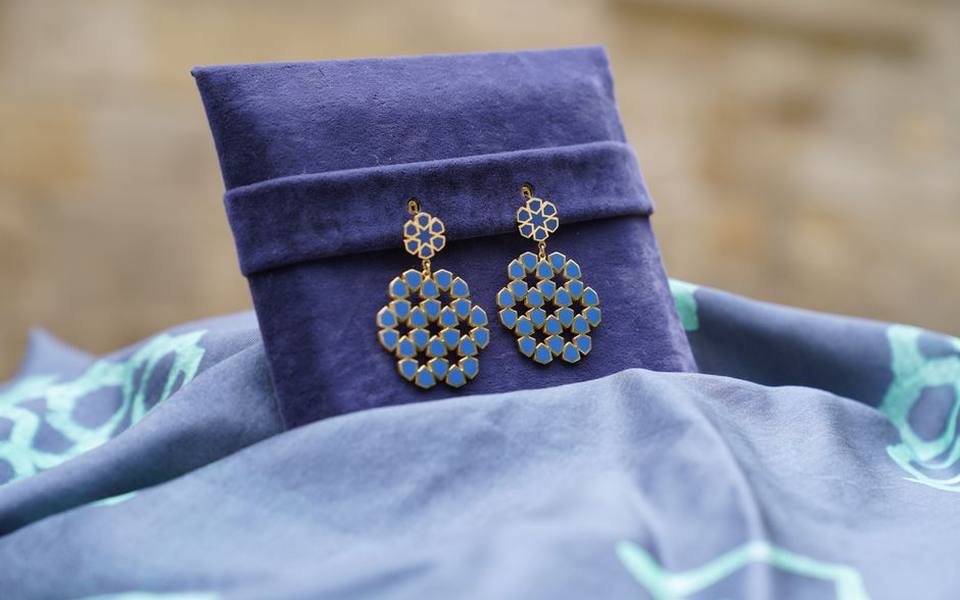
Moving up the ear into the cartilage, such as the helix or tragus, typically increases the base service fee. Cartilage requires more precision and takes significantly longer to heal than standard lobes. The artist relies on advanced techniques and specialized tools to ensure a smooth process. Because these areas are prone to swelling, the initial jewelry must be longer, and you will usually need to return for a downsize appointment.
While many are tempted by the low rates at retail accessory chains, investing in a proper environment usually pays off. When searching through dedicated piercing shops, their baseline rates reflect the cost of advanced sterilization equipment. This upfront expense often helps avoid the hidden costs associated with poorly healed angles or low-grade metal reactions down the line, saving you money and discomfort in the long run.
Budgeting for Facial and Nasal Placements
Nostril modifications remain highly requested across the industry, and their base rates generally mirror those of basic cartilage procedures. The process is straightforward for an experienced professional, but the total price often fluctuates based on your jewelry choice. You might select a simple titanium stud or an elaborate gold piece. Most studios require you to start with a stud to accommodate initial swelling, which helps keep the starting cost manageable.
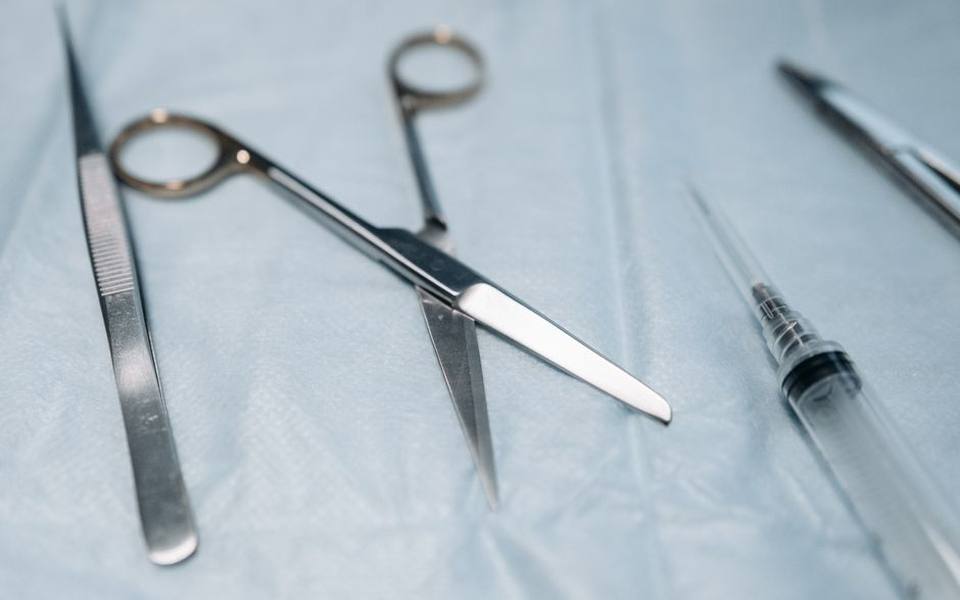
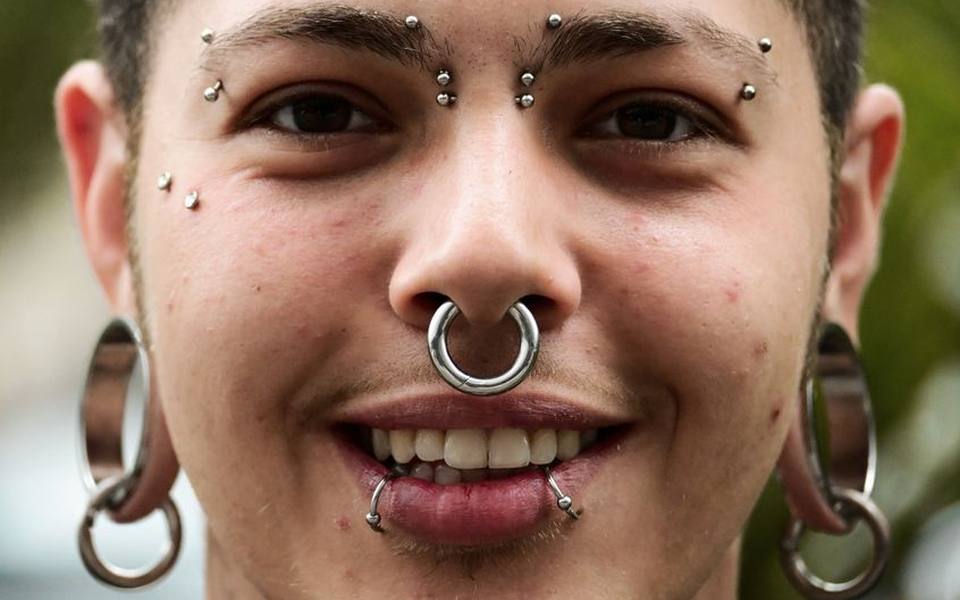
Septum placements typically command a slightly higher service fee than a standard nostril procedure. The artist must carefully locate the small patch of soft tissue toward the front of the nose. Hitting this exact spot requires skill and patience, justifying the increased rate. The starting jewelry is usually a circular barbell or a captive bead ring, which are generally affordable options when crafted from basic implant-grade metal.
Other facial options, including eyebrow and lip placements, generally fall into a similar pricing tier as septums. These surface-level modifications require careful measuring to ensure symmetry, meaning the artist is billing for their technical expertise as much as their time. Keep in mind that oral placements often require specialized aftercare routines and a mandatory downsize appointment once the swelling subsides, which should be factored into your financial planning.
Understanding Torso and Surface Modifications
Navel procedures are incredibly popular, and the baseline expense for a belly button modification is usually comparable to advanced cartilage work. The fee largely depends on the specific anatomy of your midsection. Some individuals require specialized floating navel jewelry rather than a traditional curved barbell. This anatomical assessment takes extra time, and the specialized starting jewelry can sometimes carry a slightly higher price tag than standard introductory pieces.
When budgeting for a nipple modification, you should expect a higher service charge, especially since many clients opt to have both done simultaneously. The tissue in this area requires a highly experienced hand to ensure proper placement. Many artists offer a bundled service rate if you choose to do both sides in one sitting. However, purchasing two separate pieces of jewelry will noticeably increase the final checkout total.
Dermal anchors represent a unique category of body art with a distinct pricing structure. Because the base of the jewelry is inserted beneath the surface of the skin, the procedure is more invasive and requires specialized tools. The cost typically covers both the insertion of the anchor base and the decorative top. You should also budget for future expenses, as dermal tops often need to be changed by a professional.
Material Quality and Additional Expenses
The material you select for your initial jewelry is the largest variable in your total expense. Surgical steel is generally the most budget-friendly option available, though many modern professionals prefer to start clients with implant-grade titanium. Titanium usually costs a bit more upfront, but it is highly recommended because it is completely hypoallergenic. For those with a larger budget, solid gold pieces will dramatically increase your total bill.
Beyond the service fee and the jewelry, there are additional expenses to consider. You will need high-quality sterile saline wound wash for your daily aftercare routine, typically available for purchase directly from the artist. Additionally, if your chosen placement requires a jewelry downsize after the initial swelling goes down, some studios charge a nominal fee for the secondary installation, while others only charge for the new, shorter post.
It is customary to tip your artist for their time, expertise, and commitment to maintaining a sterile environment. A standard gratuity usually mirrors what you would leave for other personal services, calculated based on the total cost of the procedure and jewelry combined. Whether you book a formal appointment or visit walk-in tattoo shops offering these services, tipping is a standard practice that should be factored into your budget.
Published 2026-09-20 · reviewed with each rebuild, last September 2026.
Find tattoo shops near you
The directory lists 32,774 tattoo shops by state and city — pick your state or use the “Near me” button in the header.
More guides
-
 Service
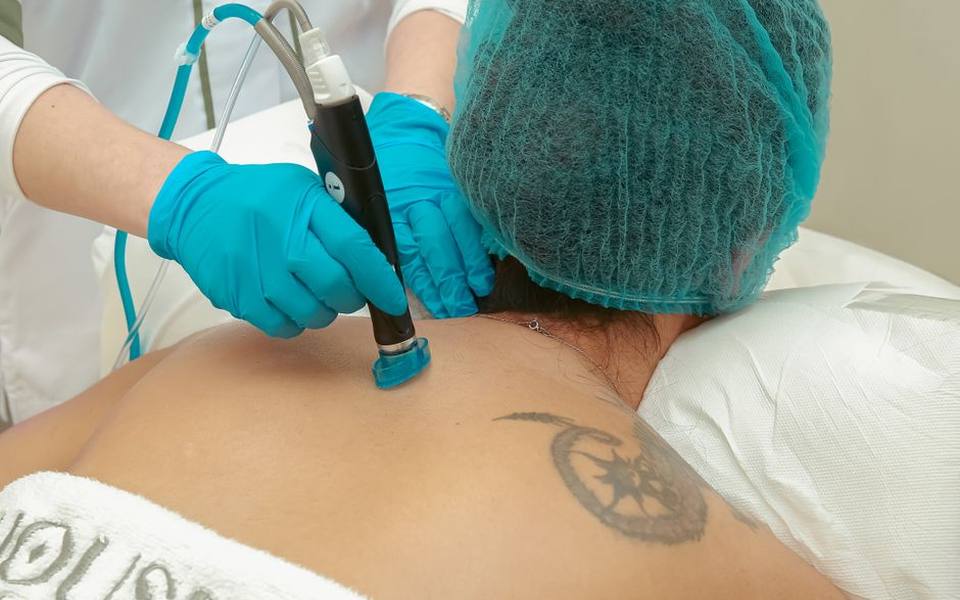
Tattoo Removal Cost and Safety: What to Expect
-
 Money
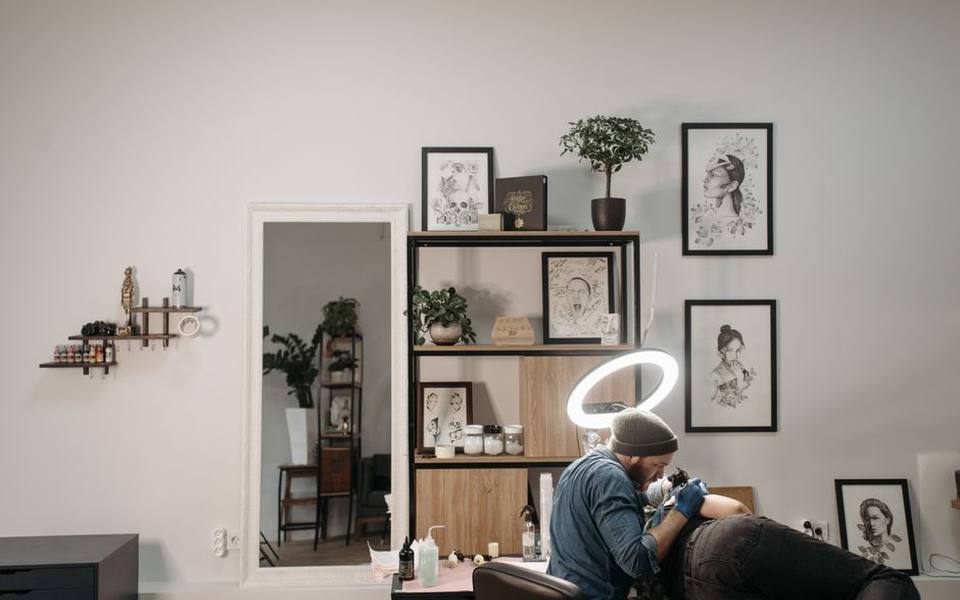
MoneyTattoo Pricing Guide: How Much Do Tattoos Really Cost?
-
 Service
Best Friend Tattoos: Meaningful Ideas and Placement Guide
-
 Service
Body Piercing Types, Pain Levels, and Healing Times Explained
-
 Service
Specialty Tattoos: Exploring Cosmetic, Camouflage, and Non-Traditional Ink
-
 Service
Understanding Tattoo Styles and Design Meanings
-
 Buying
Tattoo Equipment Essentials: Understanding Machine Types and Starter Gear