The reality of unique ink and hidden placements
Specialty tattoos move beyond traditional body art to include cosmetic enhancements, medical camouflage, and reactive inks. When people look into options like ultraviolet or white pigment, they often wonder about visibility and longevity. UV ink reacts to blacklight but requires specific application techniques, and its safety is still debated in some professional circles. White designs, while subtle and elegant initially, depend heavily on your skin tone and sun exposure to maintain their appearance. In many cases, these lighter pigments fade faster than standard black ink, requiring touch-ups to keep their crisp look.
Placement also plays a massive role in how long a design holds up over the years. Areas with high friction, moisture, or rapid cellular turnover challenge the pigment's permanence. For instance, inner lip designs are notorious for fading rapidly. The constant moisture and friction in the mouth mean these hidden pieces might only last a few months to a few years before blurring or disappearing entirely. It is a fun concept, but professionals usually warn clients to view these specific placements as temporary rather than permanent fixtures.
If you are considering these unconventional styles, booking time to discuss the reality of the process is crucial. Before making an appointment, a standard practice is to arrange a session where you and the specialist evaluate the design and placement. This initial meeting helps set realistic expectations about how the ink will heal and age on your specific skin type. You can easily find California tattoo shops or studios in your local area that specialize in these unique applications.
Cosmetic enhancements and permanent makeup
Cosmetic micropigmentation has transformed how people approach their daily routines, blending the worlds of beauty and traditional body modification. Techniques like microblading and powdered brow shading deposit pigment into the upper layers of the skin to simulate fuller eyebrows. The expenses for these procedures depend heavily on the technician's experience, location, and the specific technique used. While prices vary widely across the country, clients should view this as an investment in a skilled specialist rather than seeking out the lowest possible rate.
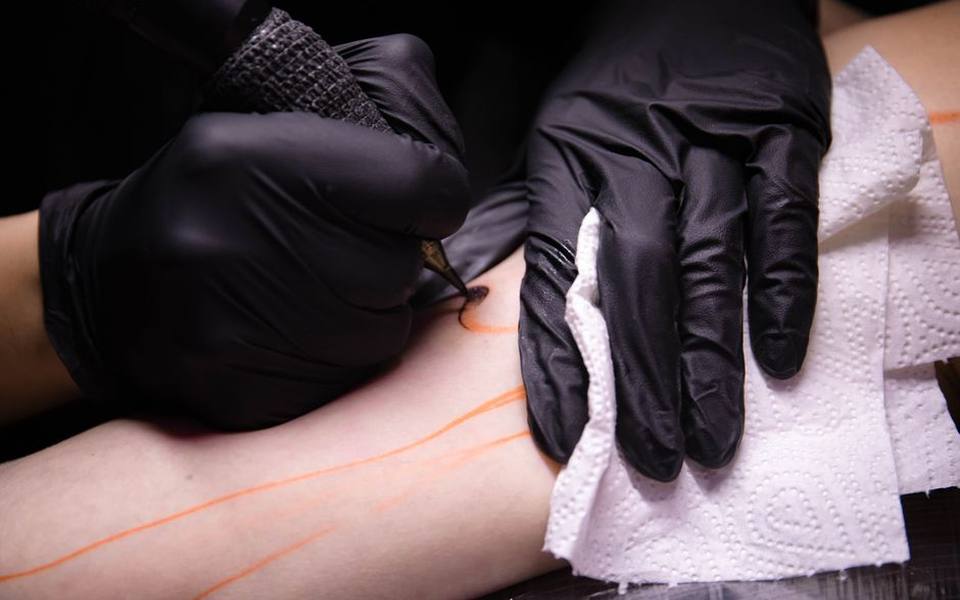
Beyond eyebrows, scalp micropigmentation is another growing field that creates the illusion of a closely shaved head or denser hair. The financial investment for this type of hair simulation is generally based on the size of the treatment area and the number of sessions required to build realistic density. Just like facial enhancements, this requires a highly trained hand to ensure the dots of pigment mimic natural hair follicles accurately. Fading is normal over time, meaning maintenance sessions will eventually be necessary to keep the area looking full.
Finding a qualified practitioner is the most important step for any cosmetic procedure. You want to ensure the facility meets strict health standards and that the technician has a strong portfolio of healed work. Many permanent makeup studios offer dedicated planning sessions to map out your facial structure and choose pigments that complement your natural undertones. Taking the time to research these specialists will help you achieve a natural, flattering result that ages gracefully over the years.
Medical tattooing and scar camouflage
Medical tattooing offers a way to reclaim the skin after trauma, surgery, or significant injuries. Camouflaging scars involves matching skin tone pigments or using a beautiful design to draw the eye away from the textured tissue. Working over burn tissue or surgical sites is highly specialized because altered skin absorbs and holds pigment differently than unblemished skin. The tissue can be unpredictable, sometimes rejecting the color or causing it to spread, which requires a gentle, experienced approach from the practitioner.
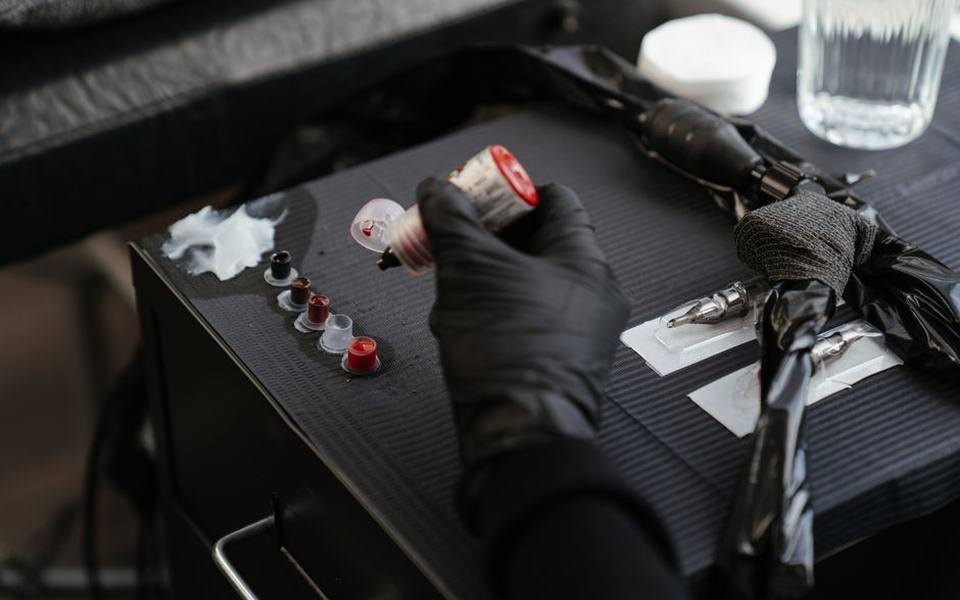
Timing is everything when it comes to modifying scarred tissue. Medical professionals and specialized artists generally advise waiting a significant amount of time after an injury or procedure before attempting any camouflage work. The tissue must be completely healed, settled, and no longer pink or sensitive, which typically takes a year or more. Rushing the process can cause further damage to the delicate skin and result in a blurred or patchy appearance that fails to achieve the desired effect.
Whether you want to blend the scar into your natural skin tone or cover it entirely with a piece of art, clear communication is essential. Some scars are raised or deeply indented, meaning a flat design might warp over the uneven surface. Visiting custom design studios allows you to work with professionals who know how to incorporate the natural texture of the scar into the flow of the artwork, turning a source of insecurity into something you are proud to wear.
The mechanics of altering existing work
Sometimes a previous design no longer fits your aesthetic, leading you to explore ways to hide or alter the original piece. Attempting to mask an old, vibrant piece with new ink requires a deep understanding of color theory and skin layers. A common question is whether dark saturation can simply block out brighter shades. While heavy black pigment is the most effective tool for hiding older work, the original colors can sometimes muddy the new design if not properly planned.
The success of this process depends on how faded the original piece is and the colors involved. Bold, dense colors often need to be lightened with laser removal before a new design can successfully sit on top without the old shape showing through. Specialists usually rely on heavy shading, texture, and organic shapes to distract the eye from what lies beneath. It is rarely as simple as just painting over a canvas, because the skin blends the old and new pigments together as they heal.
When you are ready to make a change, seeking out a specialist is your best path forward. Not every artist enjoys or excels at hiding old ink, as it is a distinct skill set that requires strategic planning and flexibility. You can connect with experienced cover-up artists who know exactly how to manipulate dark shadows, rich colors, and intricate patterns to effectively bury the unwanted piece while leaving you with a clean, cohesive new design.
Planning your visit and legal considerations
Every successful specialty project begins with a dedicated planning session. This initial meeting allows the artist to assess your skin, review your ideas, and explain the logistical realities of the design. During this time, the specialist will discuss placement, size, and the technical limitations of your request, such as how certain pigments might fade or how a scar might react. It is also your opportunity to evaluate the cleanliness of the shop and ensure you feel comfortable with the staff.
Age restrictions are another critical factor when planning your visit, regardless of whether you want a traditional piece or a cosmetic enhancement. The laws regarding age limits vary significantly by location. In most states, individuals must be legal adults to receive any permanent body modification, and facilities strictly enforce this with government-issued identification. While some jurisdictions might allow younger individuals to proceed with formal guardian approval, many reputable studios maintain a strict policy against servicing anyone under the adult age limit to avoid legal liabilities.
Taking the time to navigate these rules and find the right specialist ensures a safe and positive experience. With thousands of options available, from fine line experts to large-scale traditional shops, doing your homework pays off. For example, there are nearly two thousand tattoo shops in New York alone, giving you plenty of opportunities to find a facility that matches your specific needs. Always prioritize shops that are transparent about their health practices, licensing, and overall approach to client care.
Published 2026-09-20 · reviewed with each rebuild, last September 2026.
Find tattoo shops near you
The directory lists 32,774 tattoo shops by state and city — pick your state or use the “Near me” button in the header.
More guides
-
 Money
MoneyBody Piercing Costs Guide: From Ears to Dermals
-
 Service
Tattoo Removal Cost and Safety: What to Expect
-
 Money
MoneyTattoo Pricing Guide: How Much Do Tattoos Really Cost?
-
 Service
Best Friend Tattoos: Meaningful Ideas and Placement Guide
-
 Service
Body Piercing Types, Pain Levels, and Healing Times Explained
-
 Service
Understanding Tattoo Styles and Design Meanings
-
 Buying
Tattoo Equipment Essentials: Understanding Machine Types and Starter Gear