Navigating Ear Cartilage Options
Getting new jewelry means assessing initial discomfort and long-term aftercare. Tissue type dictates everything; soft skin recovers rapidly, while dense cartilage requires significantly more time. A common debate centers around inner ear folds, specifically comparing placements like the rook and the daith. Both pass through thick cartilage, meaning the procedure typically involves an intense pinch followed by a dull ache.
The inner cartilage fold above the ear canal is the daith, while the rook sits slightly higher on the upper antihelix. People often ask if certain inner ear spots alleviate chronic headaches. While many enthusiasts report anecdotal relief from tension after getting a daith placement, medical professionals consider this a placebo effect rather than a proven cure. Still, the aesthetic keeps them highly requested.
Pain is subjective, but passing a needle through the rook generally feels slightly more intense due to the awkward angle and thickness. Healing for either dense cartilage area typically takes several months, sometimes extending up to a year depending on your body's natural recovery speed. Visiting studios offering professional ear piercings ensures the angle is correct, minimizing unnecessary trauma.
Facial Aesthetics and Oral Recovery
Moving to the face, lip and cheek modifications offer striking visual changes with entirely different recovery profiles. The terminology can be confusing. A placement on the left side of the upper lip is widely recognized as a Monroe, named for the iconic beauty mark. A central lower lip placement is typically called a labret. Because the face has heavy blood flow, these generally heal faster than cartilage.
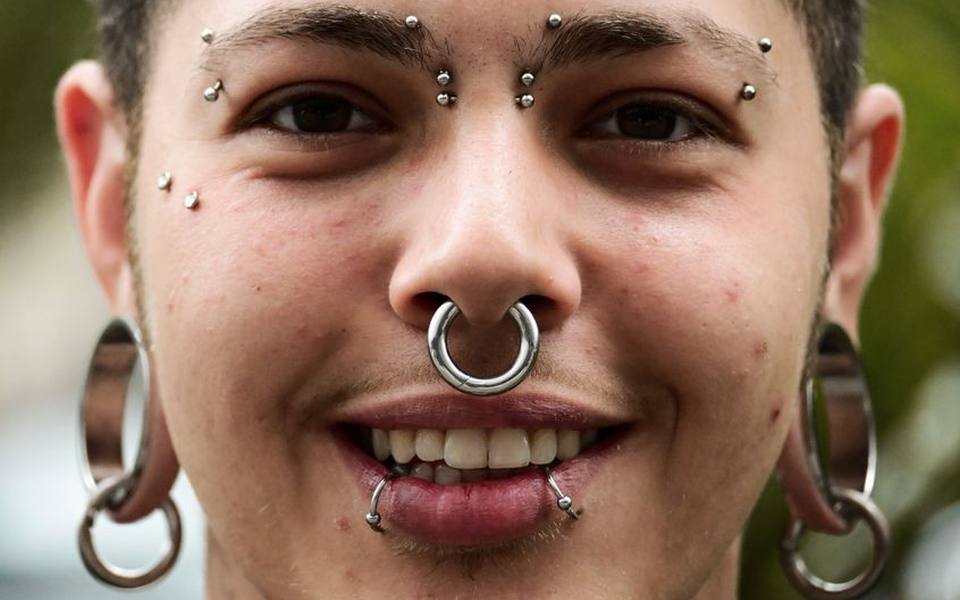
Oral placements, such as the tongue, are notorious for dramatic initial swelling. However, the tongue is a muscle with an incredibly fast cell turnover rate. While the first few days involve eating soft foods, the complete healing process is typically quite short, often resolving in just a few weeks. Proper oral hygiene is crucial during this phase to avoid complications.
Cheek placements pass through a relatively thick section of facial muscle and tissue. People frequently wonder if getting this area done will result in permanent dimples. In most cases, the resulting scar tissue does create a permanent indentation, even if the jewelry is eventually removed. Because of the proximity to salivary glands, this procedure requires an expert from reputable piercing shops to avoid complications.
Understanding the Symbolism and Expression
Beyond the physical process, motivations behind body modifications run deep. Historically, altering the body was a way to signify tribal affiliation, mark a rite of passage, or display social status. Today, meanings attached to these metallic additions are largely personal. For some, enduring the temporary discomfort is a way to reclaim ownership of their physical form, while others view it as pure aesthetic expression.
There is no universal dictionary for what a specific ring or stud signifies in modern culture. Certain placements still carry subcultural nods. Septum rings have long been associated with alternative scenes, though they recently transitioned into mainstream fashion. Ultimately, the symbolism is whatever the wearer assigns to it, often serving as a permanent reminder of a specific feeling or personal milestone.
It is incredibly common to pair metal jewelry with permanent ink to create a cohesive aesthetic. Many enthusiasts plan their setups alongside their tattoos, considering how a facial stud might complement an intricate chest piece. If you are planning a full-body aesthetic, collaborating with custom tattoo design studios alongside your jewelry practitioner can help you achieve a balanced, deliberate look.
Advanced Modifications and Body Stretching
Some body art ventures into extreme territory, requiring a deep understanding of human anatomy. A prime example is the corset arrangement, which involves two vertical rows of surface rings laced together with ribbon. Because surface tissue tends to reject foreign objects, this style is typically worn temporarily for events. The tension from the ribbon puts significant stress on the skin, making long-term wear impractical.
Expanding the earlobes is another popular but commitment-heavy modification. Enlarging the tissue requires a slow, deliberate approach to avoid tearing the skin or causing a blowout. The process involves inserting incrementally larger tapers or plugs over several months or years. It is generally advised to wait at least a month or two between stretching sizes, giving the collagen time to regenerate safely.
Rushing the stretching process is the most common mistake beginners make. Patience is mandatory, and using proper lubricants and high-quality materials makes a significant difference. If you ever decide to shrink the lobes back, keep in mind there is a point of no return. Stretching beyond a certain diameter usually means the tissue will not naturally close back to its original state.
Navigating the Industry and Finding a Professional
Choosing the right environment is just as important as selecting the jewelry itself. With roughly 18,847 listings in top states across the country, finding a qualified professional requires a bit of research. Look for environments that prioritize sterilization, use single-use needles, and carry implant-grade metals. A knowledgeable practitioner will happily walk you through their process and address the specific risks of your chosen placement.
Depending on the complexity of the work, you might need to schedule an appointment well in advance. Earlobes and basic facial studs are often quick enough to accommodate immediate visits. If you are feeling spontaneous, many walk-in tattoo shops staff a dedicated practitioner for basic installations. However, for advanced work like dermals or intricate curations, booking ahead ensures the professional has the appropriate jewelry.
Aftercare is entirely your responsibility once you leave the chair. The studio provides the foundation, but your daily cleaning routine determines whether the site heals beautifully or develops irritating bumps. Most professionals recommend sterile saline sprays and advise against twisting the jewelry during the recovery window. Following these simple guidelines will keep your new addition looking sharp and comfortable for years to come.
Published 2026-09-20 · reviewed with each rebuild, last September 2026.
Find tattoo shops near you
The directory lists 32,774 tattoo shops by state and city — pick your state or use the “Near me” button in the header.
More guides
-
 Money
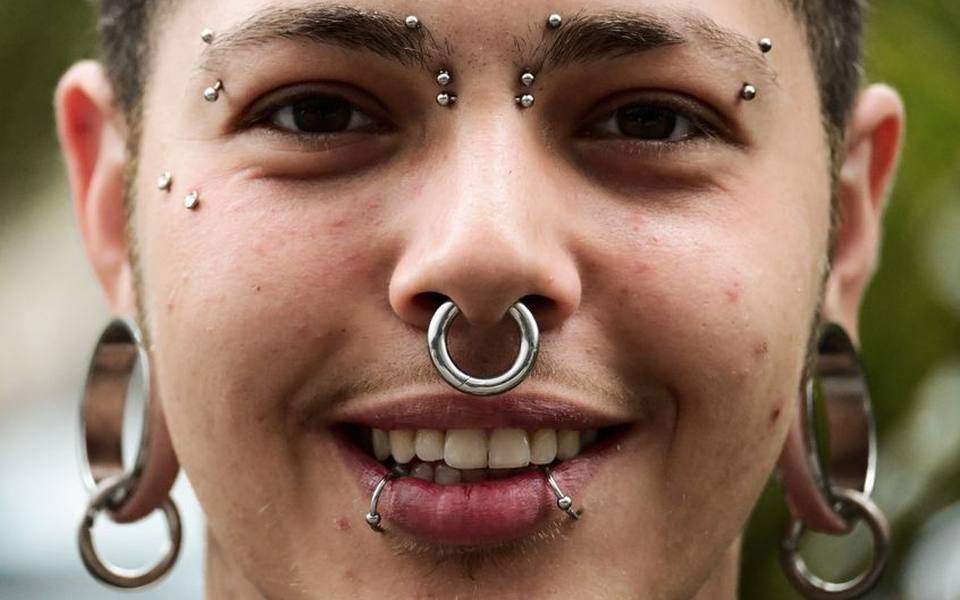
MoneyBody Piercing Costs Guide: From Ears to Dermals
-
 Service
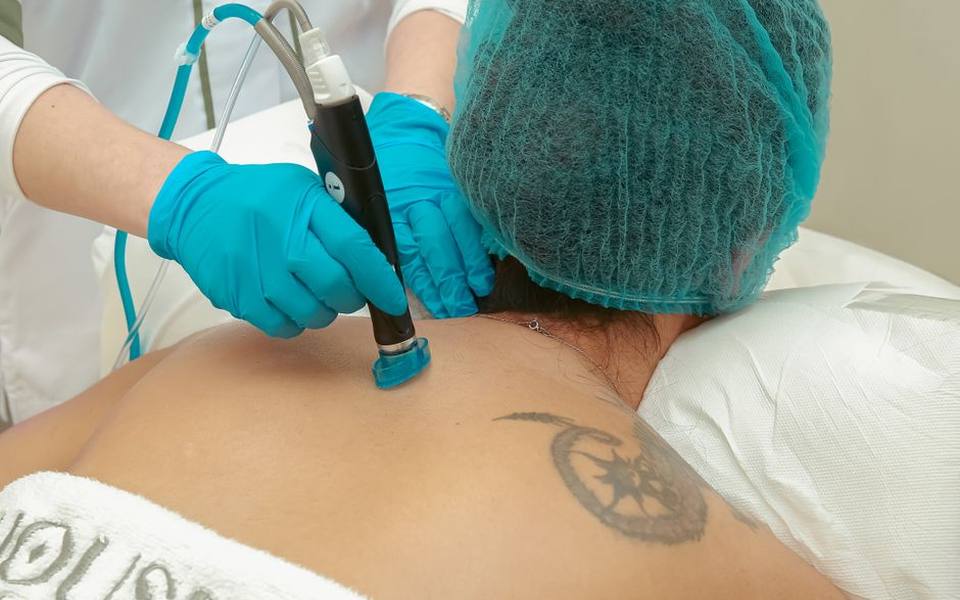
Tattoo Removal Cost and Safety: What to Expect
-
 Money
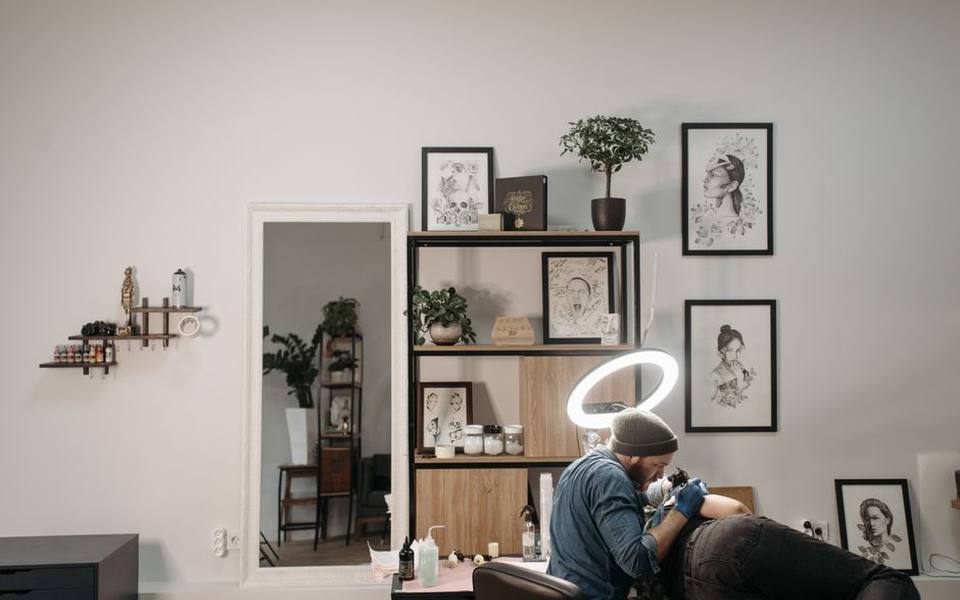
MoneyTattoo Pricing Guide: How Much Do Tattoos Really Cost?
-
 Service
Best Friend Tattoos: Meaningful Ideas and Placement Guide
-
 Service
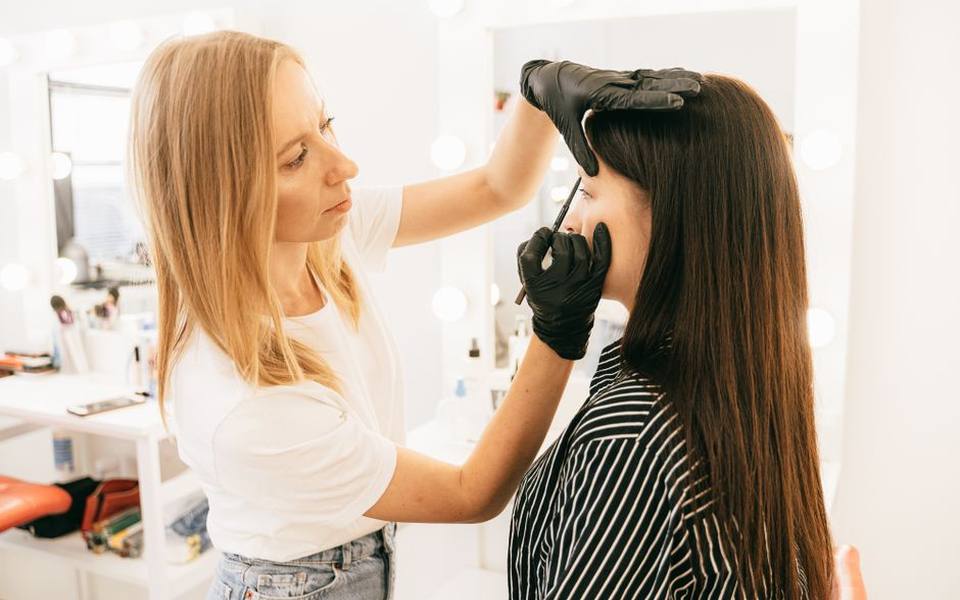
Specialty Tattoos: Exploring Cosmetic, Camouflage, and Non-Traditional Ink
-
 Service
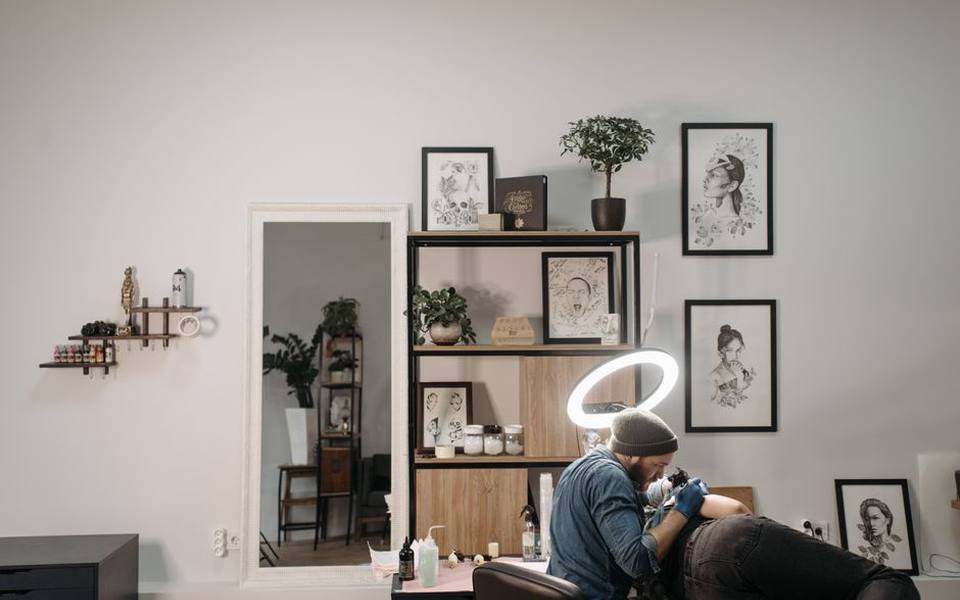
Understanding Tattoo Styles and Design Meanings
-
 Buying
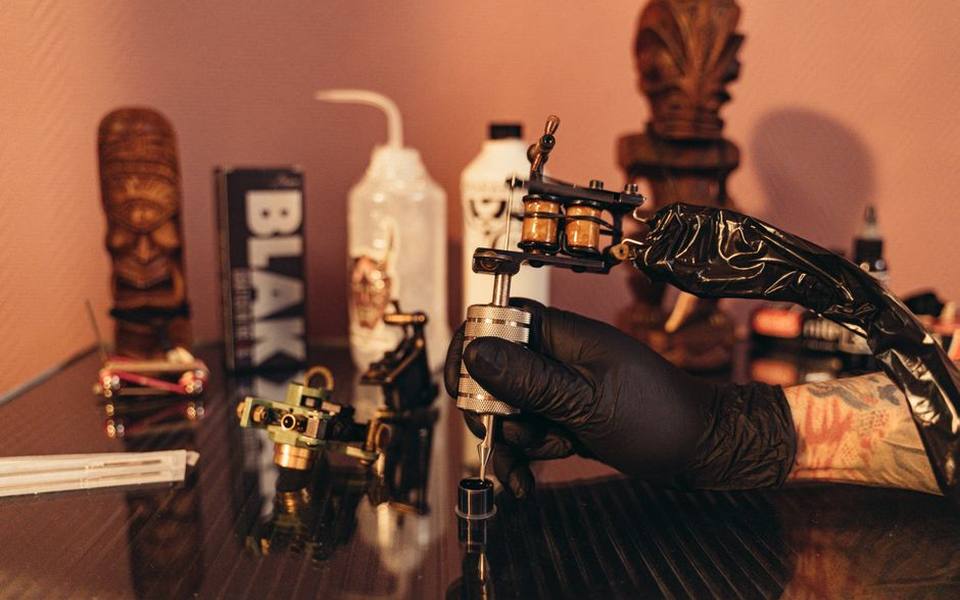
Tattoo Equipment Essentials: Understanding Machine Types and Starter Gear