Navigating Modern Facial and Oral Piercing Options
Choosing to get facial piercings involves balancing personal style against facial anatomy, tissue thickness, and daily movement. Unlike simple lobe work, facial and oral tissue experiences constant flexing from smiling, chewing, speaking, and washing your face. A placement that looks striking on one jawline or lip shape might require slight angle adjustments on another to sit comfortably without pressing on underlying teeth or cartilage.
Before sitting in the chair at professional piercing shops, it helps to understand how oral tissue differs from external skin. Oral tissue heals relatively quickly on the mucosal side because of rich vascularity, but it constantly interacts with oral flora, saliva, and enamel surfaces. External skin, by contrast, dries out easily and faces constant exposure to makeup, oils, and facial cleansers.
Every successful piercing project begins with an anatomy consultation. A certified piercer assesses tissue depth, vascular visibility, dental spacing, and natural skin tension before picking up a needle. Taking the time to understand how different styles heal will prevent early rejection, dental erosion, and unwanted scar tissue.
Brow Placements: Classic Arches and Anti-Eyebrow Surface Bars
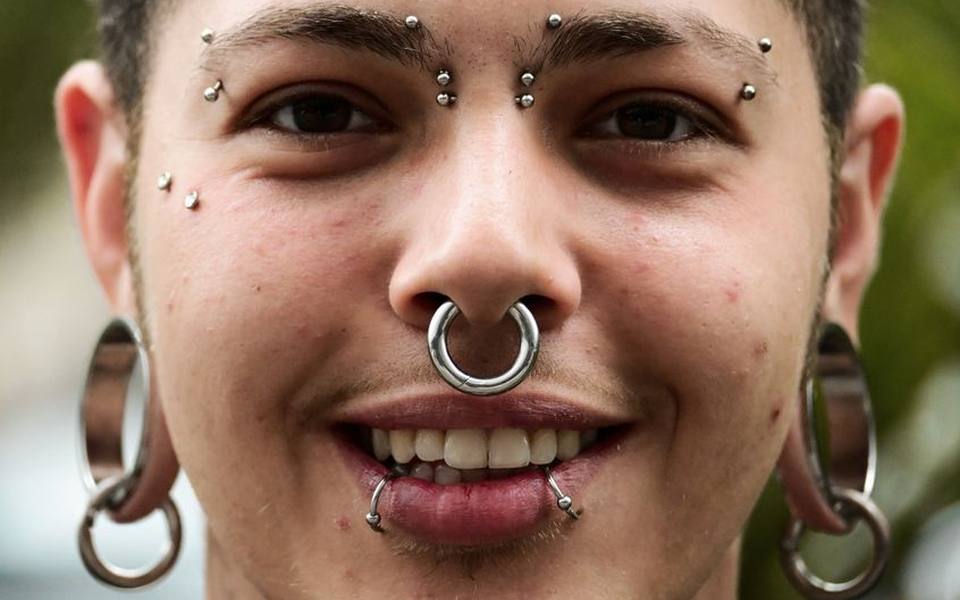
Traditional eyebrow piercings remain an enduring favorite because they highlight the natural curve of the brow bone without interfering with oral hygiene. Typically placed vertically through the outer third of the ridge, this piercing relies on a curved barbell with small beads. Because the eyebrow sits on a mobile surface layer over flat bone, the piercer must pinch a generous amount of tissue to prevent migration.
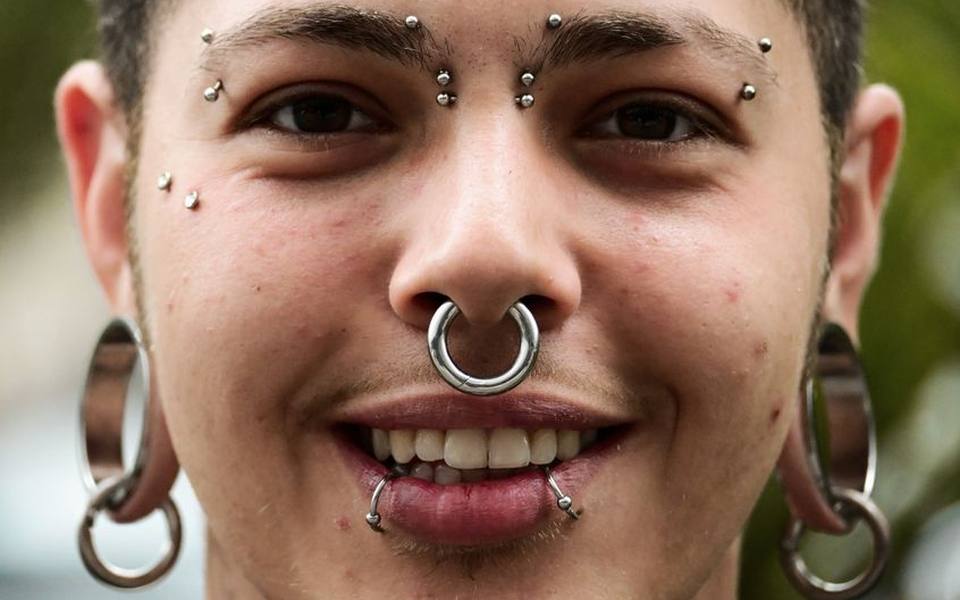
For clients who want an alternative accent lower on the cheekbone, the anti eye brow piercing offers a modern look. Often positioned just beneath the lower orbital rim, an anti-eyebrow is technically a surface piercing rather than a through-and-through puncture. Reputable artists typically insert a flat surface bar with ninety-degree rises or a single-point dermal anchor to ensure the jewelry sits flush against the skin without excessive upward tension.
Rejection is naturally higher on surface brow work than on lip or ear cartilage. The body constantly tries to push foreign objects out when skin flexes during facial expressions like squinting or frowning. Keeping initial jewelry lightweight and avoiding heavy makeup application around the perimeter during the first two months typically helps the channel stabilize securely.
Nostril Accents: From Simple Studs to Solid Gold Hoops
The nostril remains the most popular facial modification worldwide, offering great versatility once the tissue matures. Most piercers start clients with a straight, flat-back labret or a nostril stud made of implant-grade metal. Initial posts need extra length to accommodate the slight internal swelling that develops during the first couple of weeks.
Many people enter a studio wanting to walk out with a snug nostril ring gold, but experienced piercers almost always advise waiting. A curved ring moves back and forth through a fresh, unhealed puncture wound, rotating crust and bacteria directly into the tissue channel. This mechanical irritation often creates unsightly fluid bumps on the outer nostril wall that take months to resolve.
Once the cartilage has fully healed—which typically takes anywhere from four to six months depending on skin type—you can transition safely to a seam ring, clicker, or decorative nostril stud. If you prefer yellow tones, solid fourteen-karat gold provides the necessary durability and biocompatibility without the flaking risks associated with gold-plated brass or cheap fashion alloys.
Upper Lip Centerpieces: Philtrum and Medusa Aesthetics
The philtrum piercings category centers on the distinct vertical indentation directly above the cupid's bow of the upper lip. Widely known as medusa piercings, this placement creates an elegant focal point that draws attention to lip symmetry. A pierced philtrum enters through the external skin and exits inside the upper oral cavity, right above the front teeth.
Proper placement for medusa piercings requires meticulous measurement because even a millimeter of slant will make the jewelry look off-center when speaking. Initial jewelry consists of an internally threaded or threadless labret stud with an elongated post. As the inner lip tissue swells during the initial ten to fourteen days, that extra post length prevents the backing disc from embedding painfully into the mucosal lining.
After the swelling subsides, returning to the studio for a post downsizing is critical. A fitted flat-back disc sits flush in a natural pocket called nesting, which keeps the metal from constantly clicking against your upper incisors. Failing to downsize can lead to permanent enamel wear or localized gum recession over time.
Symmetric and Clustered Lower Lip Work: Snake Bites and Spider Bites
Paired lower lip piercings allow clients to play with balance or asymmetry. The most recognizable format is snake bite piercings, which consist of two separate punctures placed symmetrically near the outer corners of the lower lip. They mimic the look of fang marks and create an even frame around the mouth that suits both studs and rings once healed.

Alternatively, spider bites piercings place two punctures directly beside each other on one side of the lower lip. This clustered arrangement creates a dense visual accent. Because the two holes sit in close proximity, localized swelling can be more intense than with isolated punctures, requiring the piercer to space the posts carefully so the inner backings do not overlap or rub together.
Whether you opt for side clusters or symmetric corners, eating requires deliberate caution during the first week. You must chew slowly to avoid biting down on the long initial posts, which can easily chip a molar. Sticking to soft foods and drinking cold water helps soothe the throbbing sensation that typically peaks around day three.
Upper Lip Side Pairs: Exploring Angel Bites
Mirroring the placement of lower lip pairings, angel bites sit symmetrically on the upper lip, just above the outer corners of the mouth. This arrangement effectively combines two classic Monroe or Madonna placements into a balanced set. Because the upper lip features varying tissue thickness across different face shapes, each puncture must be angled perpendicular to the tissue to prevent uneven pressure.
Healing upper lip tissue tends to bring slightly more noticeable swelling than the lower lip because of vascular concentration. Clients often notice a puffy appearance around the philtrum and upper lip for the first week. Ice wrapped in clean paper towels or cold saline compresses can provide quick relief without introducing bacteria to the healing entrance holes.
Once healed, angel bites can be fitted with understated gemstones, textured gold discs, or small spheres. Just like with lower lip mods, managing the relationship between the inner disc and the upper gums is vital. If you notice any tenderness along the gum line, a piercer at one of the trusted body piercing locations can adjust the post length or recommend a softer silicone disc backing.
Hidden Oral Accents: The Upper Lip Smiley Piercing
A smiley piercings project involves perforating the thin strip of tissue connecting the upper lip to the upper gum line, known anatomically as the superior labial frenulum. The name comes from the fact that the small captive bead ring or circular barbell remains hidden until the person breaks into a wide smile, briefly flashing the jewelry across their teeth.
Not everyone possesses the anatomy required for a smiley. If the frenulum is too thin, short, or virtually absent, placing metal through it introduces a severe risk of tearing or early rejection. A qualified piercer will examine your upper lip interior under good lighting before agreeing to perform this puncture.
Because the jewelry rests directly against tooth enamel and the gingival margin, the smiley carries higher oral health risks than external lip studs. The metal ring can gradually wear away protective enamel or cause the gum tissue over the front teeth to recede. For this reason, many dental professionals and body piercers treat the smiley as a short-to-medium-term aesthetic accent rather than a permanent lifelong fixture.
Surface Accents, Microdermals, and Rowan Piercing Variations
Surface body art continues to evolve as wearers look for placements that go beyond traditional cartilage or lip margins. Searches for rowan piercings and similar niche surface configurations reflect an interest in high cheek, temple, or upper lobe bridge clusters that create unconventional focal points. While nomenclature for surface accents often changes across social media platforms, the biological mechanics behind them remain consistent.

Single-point piercings, commonly known as microdermals, utilize a tiny flat anchor base inserted beneath the epidermis. Skin grows through perforations in the anchor foot, locking the jewelry base in place while allowing the decorative top to be changed. They can be situated on flatter planes of the face where traditional barbells would pinch or experience too much movement.
If you are exploring experimental surface work or complementary ear configurations, finding experienced technicians via earring and body piercing professionals ensures proper depth control. Placing an anchor too shallow guarantees migration, while placing it too deep leads to fluid entrapment and chronic irritation.
Pain Scale Reality: Comparing Needles Across Facial Zones
Pain is entirely subjective, but tissue density and nerve concentration give us a realistic expectation of what needle insertion feels like. Oral lip tissue is fleshy and muscular, meaning needles pass through cleanly with a dull, heavy pinch that lasts only a second. Most clients rate single lip piercings around a three or four out of ten on the discomfort scale.
Nose cartilage and surface dermis present a sharper, more stinging sensation. A nostril puncture passes through fibrous cartilage, which naturally triggers an involuntary tear response from the lacrimal nerve regardless of how tough you feel. Anti-eyebrow surface bars require two separate puncture depths or a dermal punch, which brings a prolonged dull ache compared to a through-and-through lip needle.
Frenulum tissue used in smiley piercings is remarkably thin and relatively sparse in nerve endings, making the actual puncture feel like a minor scratch. However, soreness in the surrounding lip during the days following any facial modification is common. Managing expectations helps you remain calm in the chair, which minimizes muscle tension and makes the piercer's job significantly smoother.
Healing Timelines, Swelling, and Aftercare Discipline
Healing a facial or oral project requires dedicated care because you are managing two distinct biological environments simultaneously. External punctures typically require two to four months to stabilize, while the internal oral side of a lip piercing often seals its mucosal lining within six to eight weeks. However, complete deep-tissue maturation across all facial piercings usually takes six to nine months.
For external skin, the gold standard of care is spraying sterile 0.9% saline solution twice daily and gently drying the area with clean paper towel squares. Never use rubbing alcohol, hydrogen peroxide, antibacterial hand soaps, or tea tree oil on healing punctures. These harsh chemicals strip away regenerating epithelial cells, prolong inflammation, and trigger irritation nodules.
For oral interiors, rinse your mouth with plain warm water or an alcohol-free antimicrobial mouthwash after every meal. Avoid smoking, vaping, chewing tobacco, and consuming intensely spicy or acidic foods during the first few weeks. If you need spontaneous advice or jewelry adjustments, many studios listed across walk-in tattoo shops provide walk-in consultations to inspect healing channels and swap post lengths safely.
Selecting Safe Jewelry Materials and Proper Fasteners
The metal you place in a healing facial puncture directly dictates whether the tissue accepts or rejects the foreign object. The undisputed industry standard for initial piercings is implant-grade titanium (ASTM F-136). Titanium is entirely biocompatible, contains negligible nickel traces, resists corrosion from bodily fluids, and weighs roughly half as much as stainless steel.
If you love warm golden hues, avoid cheap plated metals, mystery alloys, or sterling silver in healing channels. Silver oxidizes upon contact with moisture, which can permanently stain your skin a dark gray color in a condition known as argyria. Instead, opt for verified solid fourteen-karat or eighteen-karat gold from trusted body jewelry manufacturers that provide mill certificates.
Fastening systems also impact comfort and hygiene. Internally threaded jewelry features screw threads inside the barbell post, leaving the outer insertion bar completely smooth as it passes through your skin. Threadless push-pin systems are equally safe and popular for small nostril and lip studs, preventing the sharp threads of cheap externally threaded jewelry from tearing fragile healing fistula tissue. Discovering reliable local studios in any area is easy when browsing our complete studio directory.
Published 2026-09-22 · reviewed with each rebuild, last September 2026.
Find tattoo shops near you
The directory lists 32,768 tattoo shops by state and city — pick your state or use the “Near me” button in the header.
More guides
-
 Money
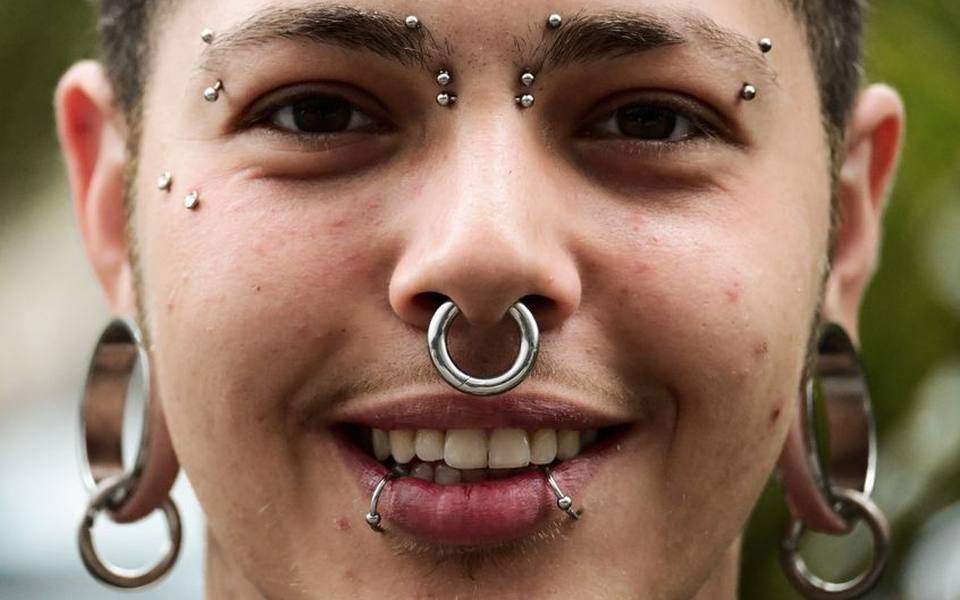
MoneyBody Piercing Costs Guide: From Ears to Dermals
-
 Service
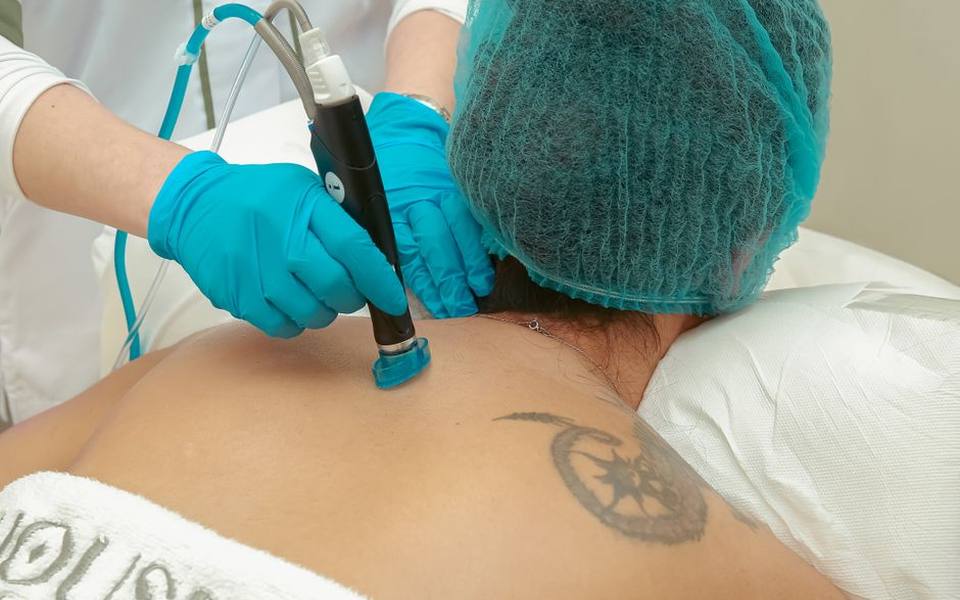
Tattoo Removal Cost and Safety: What to Expect
-
 Money
MoneyTattoo Pricing Guide: How Much Do Tattoos Really Cost?
-
 Service
Best Friend Tattoos: Meaningful Ideas and Placement Guide
-
 Service
Body Piercing Types, Pain Levels, and Healing Times Explained
-
 Service
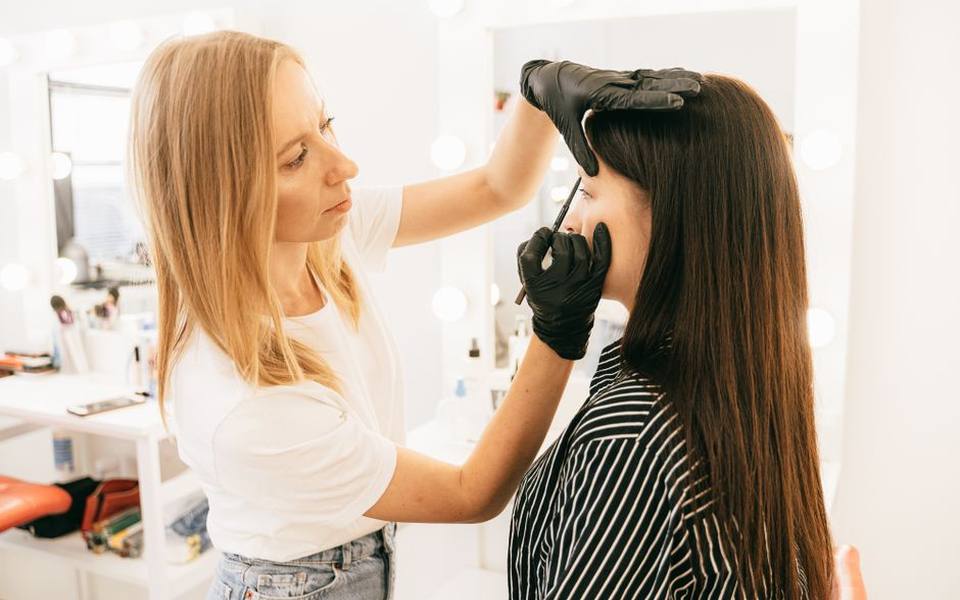
Specialty Tattoos: Exploring Cosmetic, Camouflage, and Non-Traditional Ink
-
 Service
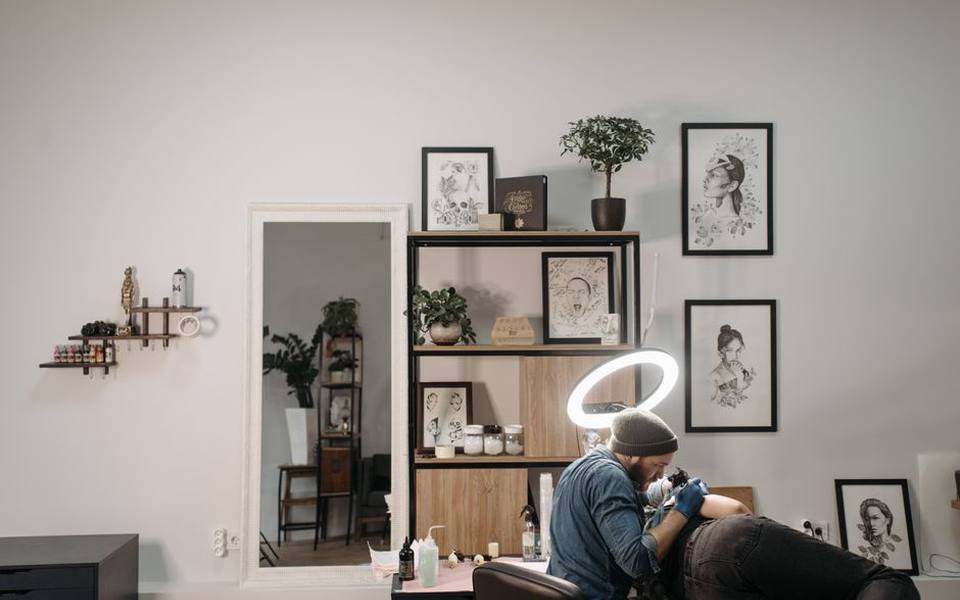
Understanding Tattoo Styles and Design Meanings
-
 Buying
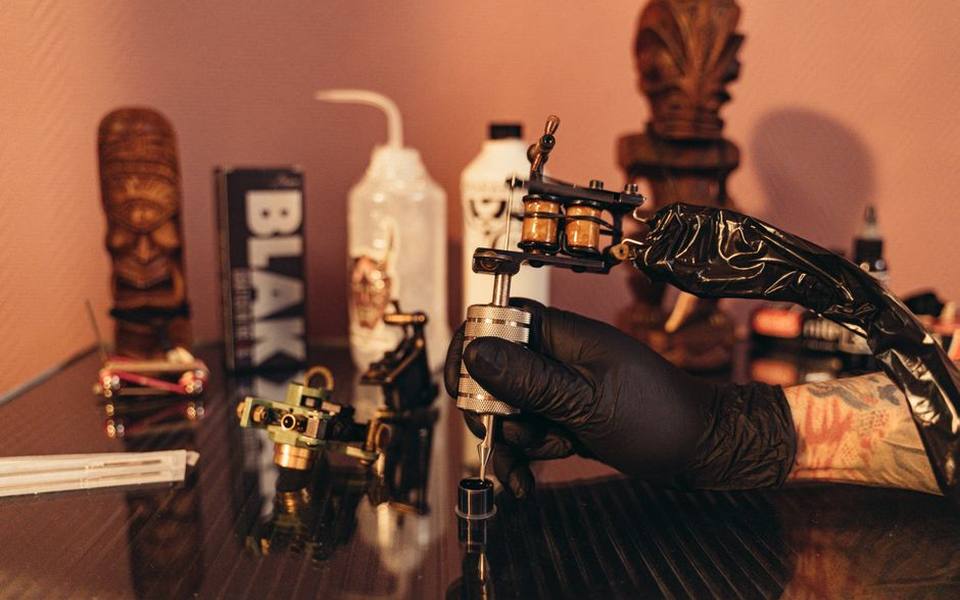
Tattoo Equipment Essentials: Understanding Machine Types and Starter Gear
-
 Service
Comprehensive Ear Piercing Guide: Types, Placement, Healing, and Jewelry Selection
-
 Service
Matching Tattoos for Couples, Friends, and Family: Design Ideas and Meanings
-
 Owning
Tattoo Placement Guide: Pain Levels, Aging, and Best Body Locations