Understanding Pain and Skin Mechanics Across the Body
Choosing where to place a tattoo involves balancing personal aesthetics with biological realities like nerve density, subcutaneous fat depth, and everyday friction. Pain levels vary significantly across the human body because sensory receptors are unevenly distributed. Areas where skin sits directly over bone or where major nerve clusters pass near the surface will generate an intense, vibrating sting. Conversely, areas padded with thicker muscle tissue and subcutaneous fat tend to absorb machine vibration far better, making long sessions much easier to tolerate.
Beyond the initial sensation during the appointment, placement directly dictates how cleanly a piece heals and how crisp it looks ten years later. Skin is not a uniform canvas; dermal thickness changes from the face down to the soles of the feet. Areas with high cellular turnover, constant bending, or heavy friction against tight clothing naturally shed surface cells more rapidly. This friction can blur fine lines or cause pigment to fade prematurely if the design does not account for the natural movement of the underlying anatomy.
When consulting with artists at custom tattoo design studios, placement should always be treated as a structural decision rather than an afterthought. An experienced artist evaluates the natural grain of your musculature and the stretch points of your skin before locking in a stencil. Taking the time to understand your own pain threshold, wardrobe habits, and long-term physical lifestyle ensures you select a location that remains striking for decades rather than deteriorating after a few seasons of wear.
The Collarbone and Clavicle: Elegant Lines Against Thin Bone
Placements along the clavicle have surged in popularity for delicate lettering, botanicals, and symmetrical ornamental pieces. Getting a collarbone tattoo involves working over skin that is remarkably thin, with little to no fat cushioning the needle from the periosteum covering the bone. Most clients report a sharp, rattling sensation that resonates through the shoulder and chest cavity. While the discomfort is sharp, the surface area along the bone is relatively narrow, so sessions here are typically brief compared to large torso pieces.
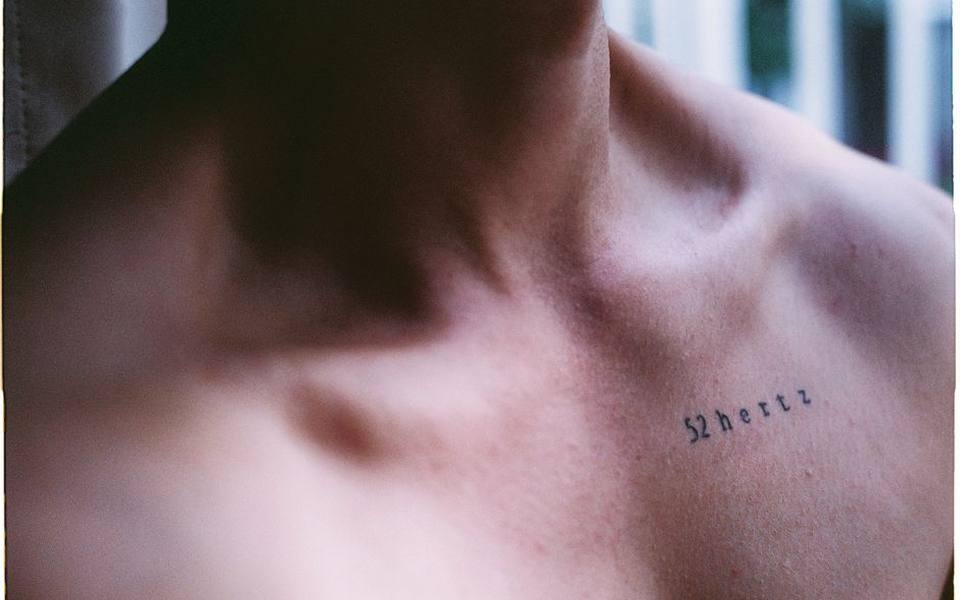
Aging along the clavicle is generally favorable because the chest does not experience severe stretch or dramatic skin sagging over normal life phases. Many people consult fine line tattoo artists for script or micro florals along the ridge of the bone. These intricate designs maintain their clarity well, provided the depth of needle penetration is consistent. An erratic hand over an uneven bony ridge can result in pigment blowouts, where the ink pools in deeper tissue and creates a faint bluish halo around delicate linework.
Daily wear and post-session aftercare require special consideration around the upper chest. Seatbelts, bra straps, heavy backpack harnesses, and collared shirts constantly rub against this zone. During the first two weeks of healing, continuous abrasion can peel scabs prematurely and pull ink out of the epidermis. Choosing looser necklines and soft cotton layers while the tattoo settles will protect your investment and preserve the sharp contrast of the initial needlework.
Upper Back and Full Spine Formats for Women
The upper back provides an expansive, relatively stable surface for large-scale illustrative artwork. When planning a back female tattoo, the sensory experience splits sharply between the shoulder blades and the center of the back. The muscular field across the scapula is moderately comfortable for most people, registering as a dull, warm burn. However, as the needle tracks inward directly across the vertebrae of the spine, the pain spikes noticeably into a sharp, vibrating discomfort that often triggers involuntary muscle twitches.
From an aging perspective, the upper back is one of the most reliable locations on the body. It experiences minimal skin stretching during weight fluctuations or pregnancy, and the skin remains taut through middle age. Sun exposure is also naturally limited unless you spend extensive time outdoors in backless clothing. Because UV radiation is the primary driver of pigment breakdown in cured tattoos, back designs frequently retain their saturation and sharp margins far longer than arm or leg ink.
Practical clothing friction remains the primary hurdle when healing a piece in this zone. Standard bra bands and sports bras sit directly across the lower scapula and mid-spine, creating continuous pressure and trapping sweat against fresh wounds. Artists typically advise wearing soft, wireless garments or loose bralettes during the initial peeling phase. Keeping the area clean and breathable prevents micro-infections that could leave patchy voids in smooth shading or solid color fills.
Lower Back Placements and Modern Design Approaches
The lower back placement, historically labeled as a tramp stamp tattoo during its peak in the late 1990s, has undergone a major aesthetic reassessment. Contemporary artists now approach the sacral area with flowing ornamental blackwork, cyber-tribal motifs, and balanced symmetrical compositions that flatter natural waist curves. While past trends favored small, isolated butterfly or tribal stamps, modern designs often anchor the lower back while integrating upward toward the ribs or downward onto the hips.
Pain across the lower back ranges from moderate along the muscular sides to severe as needles approach the tailbone and sacrum. Nerve pathways connecting the lower spinal cord run densely through this region, making extended solid fill work mentally demanding. In terms of longevity, the lower back holds pigment remarkably well because the skin is sturdy and sun exposure is infrequent. However, severe fluctuations in weight or significant abdominal shifts during pregnancy can pull lower back skin forward, slightly widening horizontally oriented designs.
Clothing friction is the greatest hazard for lower back work. High-waisted jeans, tight belt lines, and elastic waistbands apply constant pressure directly across the healing dermis. If you are scheduling a session or looking to update an older piece through cover-up tattoo artists, plan your wardrobe around loose sweatpants or dresses for at least ten days. Preventing rough denim from shearing across the raw tattoo keeps the newly formed epithelial barrier intact.
Thigh Placements for Women: Canvas Space and Healing Realities
Choosing a thigh tattoo on women allows for remarkable compositional scale without the constant visibility of an arm sleeve. The upper leg offers a broad, sweeping surface that suits floral arrangements, detailed portraiture, and large animal motifs. The outer thigh is widely regarded as one of the least painful tattoo locations on the body due to a generous cushion of muscle and thicker dermal tissue. Clients can often sit through three- to five-hour sessions on the outer quad with manageable, low-grade discomfort.
The sensation shifts drastically as the needle moves around the circumference of the leg. The inner thigh contains thin, highly sensitive skin packed with sensory nerves, making it one of the most grueling zones to ink. Additionally, the skin closer to the groin and upper hamstring is prone to chafing during normal walking. A large piece that wraps toward the interior of the leg requires patience during the appointment and disciplined aftercare to prevent friction-induced irritation while you move.
Skin aging and body composition changes also play a role in thigh ink. The outer and front quadriceps remain stable across moderate weight fluctuations, retaining structural design integrity over decades. The back of the thigh and inner upper leg are more prone to natural skin softening, cellulite development, and tissue laxity over time. Selecting a placement centered on the front or outer quad ensures your artwork stays centered and crisp even as your body naturally shifts over the years.
Thigh Tattoos on Men: Scale, Musculature, and Hair Growth
Opting for a thigh tattoo on men has evolved from an uncommon choice into a standard location for large-scale Japanese, illustrative, or traditional projects. The quad provides an expansive, flat foundation that allows an artist to build sweeping movement without cutting corners on detail. Pain levels on the anterior and lateral quad are generally mild to moderate, feeling like a steady scratch that only intensifies as the needle gets close to the kneecap or wraps toward the groin crease.
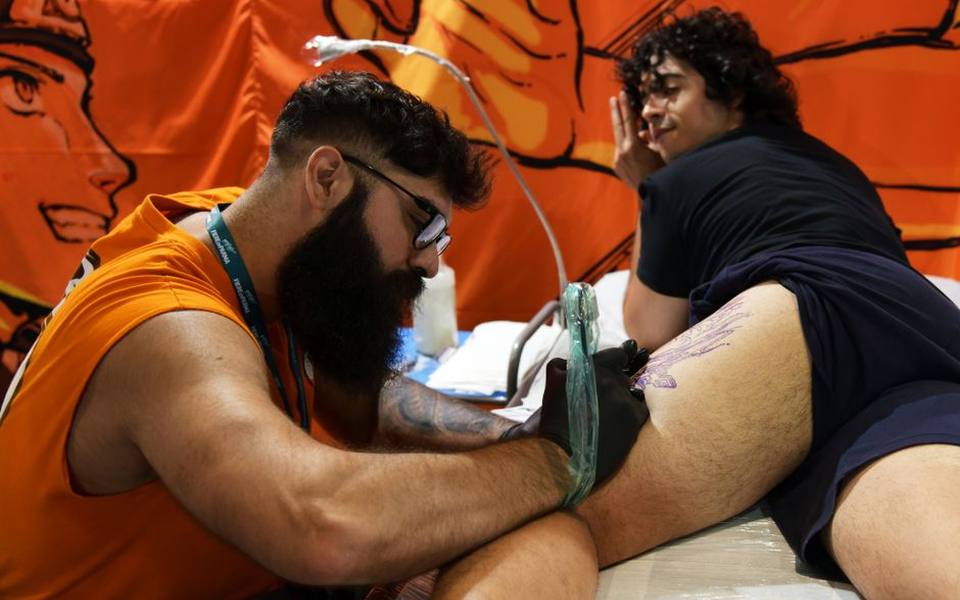
Working on male thighs introduces specific anatomical variables, notably dense body hair and pronounced quadriceps muscle separation. The artist must shave the area completely before applying the stencil, but clients must understand how the design will look once normal leg hair returns. Bold lines, strong contrast, and larger design elements read clearly through regrown hair, whereas delicate micro-realism or faint greywash shading can become obscured by thick follicles. Planning high-contrast imagery prevents your tattoo from looking muddy down the road.
Post-procedure healing requires managing sweat and leg motion. Men who work manual jobs or engage in heavy gym training must be prepared to modify their routines for two weeks. Squatting, running, or wearing heavy work trousers can cause friction burns against weeping skin, leading to patchy ink loss. Wearing breathable, loose athletic shorts and pausing heavy leg workouts during the initial peeling phase ensures that saturated black fills and rich color fields settle smoothly into the skin.
Delicate Ink: Behind the Ear and Cartilage Placements
Small, discreet designs placed behind the ear tattoo or along the ear cartilage offer subtle personal statements. Getting tattooed behind the ear feels unusual because the mastoid bone sits directly beneath the thin skin. While the pain is rarely intolerable due to the small size of the pieces, the vibration of the tattoo machine conducts through the skull bones, creating an intense buzzing sensation in the inner ear. The actual needle pinch is sharp, but sessions are often finished within thirty to forty-five minutes.
Ink placed directly on the ear cartilage presents unique biological challenges. Ear skin has virtually no subcutaneous fat, an abundance of cartilage, and inconsistent circulation. As a result, ink fallout during healing is common, and lines can blur or drop out entirely. Many individuals searching for quick flash concepts at walk-in tattoo shops choose these locations, but maintaining them often requires secondary touch-up passes once the initial ink settles into the irregular tissue.
Long-term wear behind and on the ear depends heavily on your daily hygiene and accessory habits. Hair oils, shampoo residues, skincare chemicals, and natural sebum accumulate rapidly around the ears, which can irritate a healing wound. Furthermore, daily contact with eyeglass frames, sunglasses, and over-ear headphones places constant pressure on the exact site of the ink. Keeping the area meticulously clean and switching to contact lenses during the two-week healing window helps protect crisp outlines from breaking down.
The Reality of Foot and Ankle Placements
A foot tattoo on foot anatomy is widely known across the industry as one of the most painful and unpredictable spots to wear ink. The top of the foot contains dozens of tiny bones, tight tendons, and virtually zero fat cushioning. Every strike of the needle hits close to sensitive periosteal nerves, creating a sharp, burning sensation that often causes involuntary reflex kicking. Swelling in the foot after the session can be intense, sometimes making it difficult to put on normal footwear for several days.
From an aging and longevity standpoint, tattoos on the foot demand tempered expectations. The skin on the top and sides of the feet experiences extreme cellular shedding due to shoe friction, moisture, and continuous bending at the ankle. Pigment placed along the lower perimeter, near the sole or heel, fades dramatically within the first year as calloused skin sloughs away. To retain clarity, designs on the foot must feature bold outlines, ample open skin spacing, and zero microscopic detail that could blur into a dark smudge.
Healing foot ink requires strict logistical planning. You cannot wear tight leather boots, stiff sneakers, or rough socks over a raw foot tattoo without causing significant ink fallout and potential bacterial infections from warm, closed shoes. Scheduling foot work during warm weather when you can wear clean, loose sandals or remain barefoot at home is strongly recommended. Elevating the leg during the first forty-eight hours helps reduce the pooling of fluid that naturally occurs in the lower extremities.
High-Stakes Ink: Face and Neck Considerations
A face tattoo represents the highest commitment level in body art due to its permanent visibility and unique physiological traits. Skin across the temples, cheekbones, and jawline varies dramatically in thickness and elasticity. Tattooing near the eyes and temples involves ultra-delicate skin where the margin for needle depth error is microscopic; pushing half a millimeter too deep results in instant ink migration and prominent bluish blowouts that are impossible to conceal naturally.
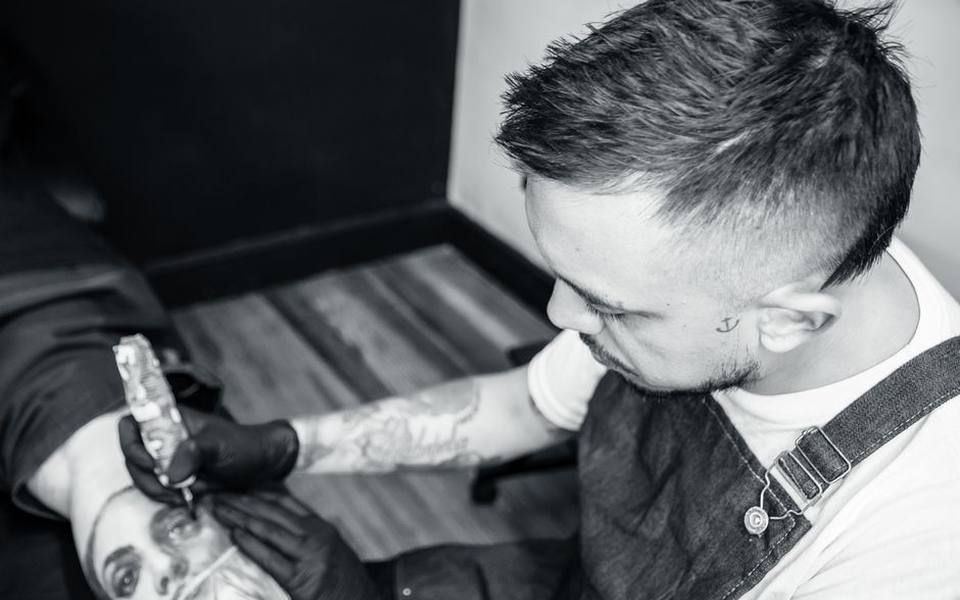
Pain across facial features ranges from moderately sharp along the fleshy cheeks to intensely painful over the temples, forehead, and bridge of the nose. Beyond the physical discomfort, facial skin is exposed to constant ultraviolet radiation every single day of your life. Even with regular sunscreen application, facial ink fades, blurs, and shifts tone significantly faster than body art shielded under clothing. Fine line work and soft greywash shading require frequent touch-ups to avoid looking faded or washed out over a decade.
Social and professional dynamics must also factor into placement decisions around the head and face. While acceptance of tattoos has expanded dramatically in corporate and creative fields, facial markings still face distinct societal stigmas and legal restrictions in certain professions. Most veteran tattooers will decline to ink a client's face unless the individual is already heavily covered on their arms, torso, and legs. Approaching this zone requires complete certainty that your career trajectory and lifestyle are fully compatible with permanent facial visibility.
How Skin Aging, Stretch, and Weight Shifts Alter Your Ink
Every tattoo on your body is a living part of an organ that continuously changes over time. Skin naturally loses collagen and elastin as you age, causing it to thin, loosen, and wrinkle. Choosing placements that sit over stable skeletal structures—such as the outer shoulders, upper back, forearms, and outer calves—ensures that the visual proportions of your piece remain relatively consistent over thirty or forty years. In contrast, areas prone to major tissue expansion and contraction naturally experience more graphic distortion.
Significant weight gains, rapid muscle bulking, and pregnancy alter skin tension across specific zones. The lower abdomen, hips, inner thighs, and upper arms stretch considerably when the body changes mass quickly. If a tattoo is placed across these expansion zones, the lines will spread apart and may develop internal breaks if stretch marks tear through the dermal layer where pigment resides. Once a stretch mark forms through a tattoo, the severed pigment cannot simply be recolored back to its original uniformity.
To preserve the longevity of any placement, deliberate sun defense and skin hydration are essential lifelong habits. Ultraviolet light penetrates the epidermis and breaks down large ink pigments into smaller particles that your lymphatic system slowly carries away. Applying a broad-spectrum sunscreen with high SPF to all exposed tattoos prevents premature pigment fading. Maintaining healthy skin through simple daily moisturizing keeps the epidermal layer clear, allowing the vivid colors and crisp blacks trapped beneath it to shine through brightly.
Published 2026-09-22 · reviewed with each rebuild, last September 2026.
Find tattoo shops near you
The directory lists 32,768 tattoo shops by state and city — pick your state or use the “Near me” button in the header.
More guides
-
 Money
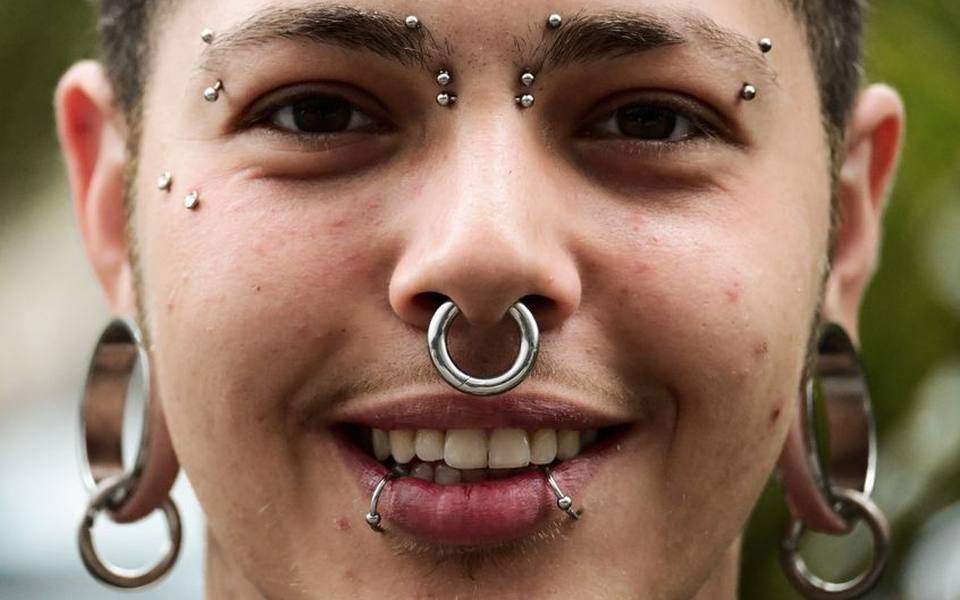
MoneyBody Piercing Costs Guide: From Ears to Dermals
-
 Service
Tattoo Removal Cost and Safety: What to Expect
-
 Money
MoneyTattoo Pricing Guide: How Much Do Tattoos Really Cost?
-
 Service
Best Friend Tattoos: Meaningful Ideas and Placement Guide
-
 Service
Body Piercing Types, Pain Levels, and Healing Times Explained
-
 Service
Specialty Tattoos: Exploring Cosmetic, Camouflage, and Non-Traditional Ink
-
 Service
Understanding Tattoo Styles and Design Meanings
-
 Buying
Tattoo Equipment Essentials: Understanding Machine Types and Starter Gear
-
 Service
Comprehensive Ear Piercing Guide: Types, Placement, Healing, and Jewelry Selection
-
 Service
Facial and Oral Piercings: Styles, Pain Scale, Healing, and Jewelry Options
-
 Service
Matching Tattoos for Couples, Friends, and Family: Design Ideas and Meanings